

Are jammer modules legal? This is a question that often pops up in the minds of many, especially those in the security and surveillance industry, and of course, as a supplier of jammer modules, it's a topic I'm frequently asked about. In this blog post, I'll delve into the legal aspects of jammer modules, the different regulations around the world, and how these regulations impact our business as a supplier.
Understanding Jammer Modules
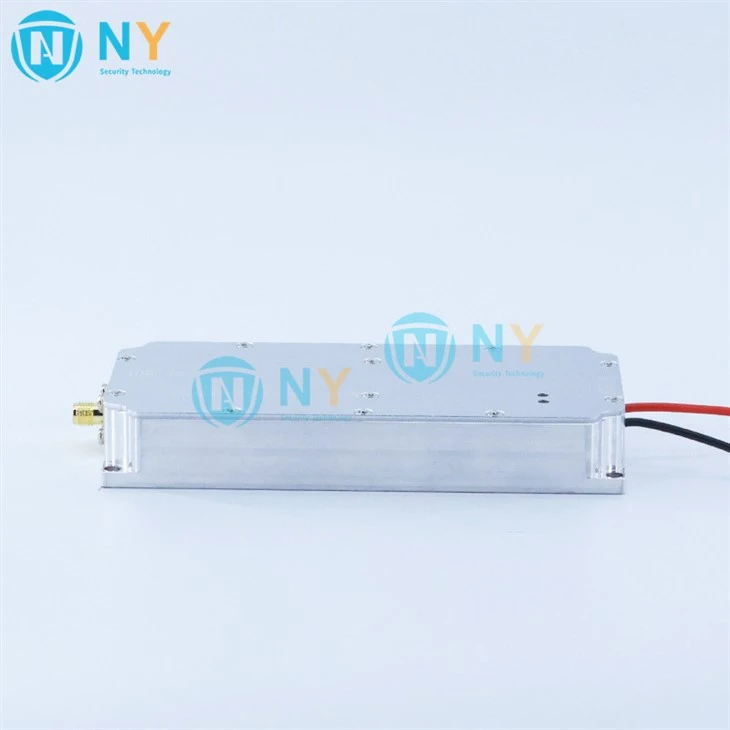
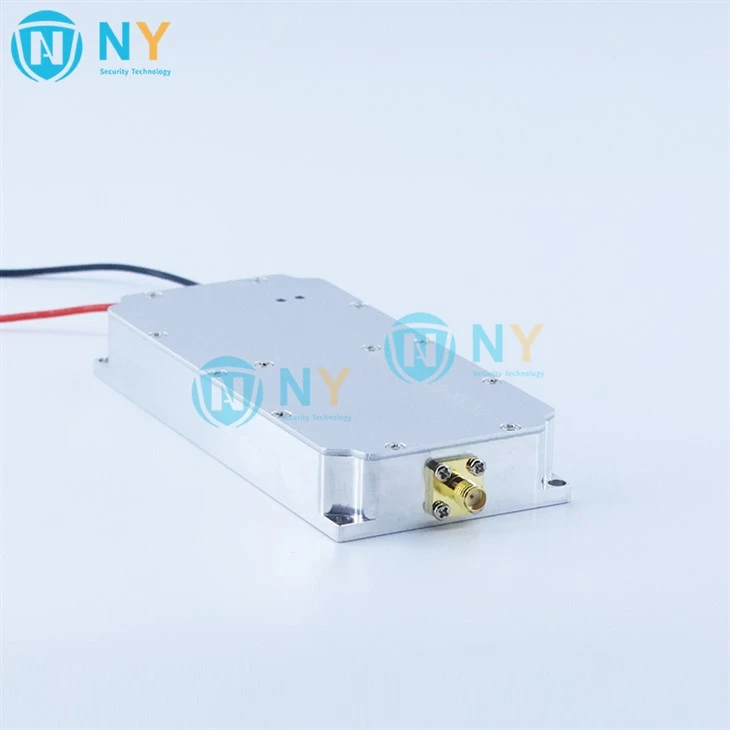
Before we dive into the legality, let's briefly understand what jammer modules are. Jammer modules are electronic devices designed to disrupt or block the transmission of signals on specific frequencies. They work by emitting radio frequency (RF) signals that interfere with the normal operation of communication devices such as cell phones, drones, and other wireless devices. Jammer modules come in various frequencies and power levels, each tailored to specific applications. For example, we offer a 200 - 300MHz 50 Watt Drone Jammer Module which is specifically designed to counter drones operating in the 200 - 300MHz frequency range.
The Legal Landscape
The legality of jammer modules varies significantly from country to country. In many Western countries, the use of jammer modules is strictly regulated or outright prohibited. The main reason behind these regulations is to protect the integrity of the communication infrastructure and ensure public safety. For instance, in the United States, the Federal Communications Commission (FCC) has clearly stated that the use, sale, or import of jamming devices is illegal. The FCC argues that jammers can interfere with emergency calls, law enforcement communications, and other critical services.
However, there are exceptions in certain cases. For example, law enforcement agencies and military organizations may be authorized to use jammer modules under specific circumstances, such as during hostage situations or military operations. These exceptions are carefully regulated to prevent abuse of the technology.
In other parts of the world, the regulations may be more lenient. Some countries allow the use of jammer modules in specific industries or for certain applications. For example, in some industrial settings, jammer modules may be used to prevent unauthorized access to sensitive areas by blocking wireless signals.
Our Role as a Supplier
As a supplier of jammer modules, we are fully aware of the legal implications of our products. We take great care to ensure that our customers are informed about the legal requirements in their respective countries before making a purchase. We also work closely with regulatory authorities to stay updated on the latest regulations and ensure that our products comply with all applicable laws.
We offer a range of jammer modules, including the 500 - 650MHz 50W Anti Drone RF Module For Drone Block and the Drone Jammer Module 50 Watts Power 100 - 2500MHz. These products are designed to meet the specific needs of our customers, whether it's for drone defense or other security applications. However, we always emphasize to our customers that they are responsible for ensuring that the use of our products complies with local laws.
Factors Affecting Legality
Several factors can affect the legality of jammer modules. One of the main factors is the frequency range of the jammer. Different frequencies are allocated for different purposes, and interfering with these frequencies can have serious consequences. For example, jamming frequencies used for emergency services is strictly prohibited in most countries.
Another factor is the power output of the jammer. Higher power jammers can have a wider range of interference, which may pose a greater risk to the communication infrastructure. Therefore, many countries have regulations regarding the maximum power output of jammer modules.
The intended use of the jammer is also an important factor. If the jammer is used for legitimate security purposes, such as protecting a high - security facility, it may be more likely to be considered legal under certain circumstances. However, if the jammer is used for illegal activities, such as disrupting public events or interfering with law enforcement operations, it will clearly be illegal.
The Future of Jammer Module Regulations
As technology continues to evolve, the regulations surrounding jammer modules are also likely to change. With the increasing use of drones and other wireless devices, there is a growing need to balance the need for security with the protection of the communication infrastructure. Some countries may introduce more flexible regulations to allow for the use of jammer modules in specific situations, while others may tighten their regulations to prevent abuse.
In addition, international cooperation on this issue is becoming more important. As jammers can potentially cross national borders and interfere with international communication systems, there is a need for a coordinated approach to regulation.
Conclusion
In conclusion, the legality of jammer modules is a complex and evolving issue. While they can offer significant benefits in terms of security, their use must be carefully regulated to protect the public and the communication infrastructure. As a supplier, we are committed to ensuring that our customers are well - informed about the legal requirements and that our products are used in a responsible and legal manner.
If you are interested in learning more about our jammer modules or have questions about the legal aspects, we encourage you to reach out to us. We are always happy to discuss your specific needs and help you find the right solution for your security requirements. Contact us today to start the conversation about your potential purchase and let's explore how our high - quality jammer modules can meet your security challenges.
References
- Federal Communications Commission (FCC). (Year). Rules and regulations regarding jamming devices.
- International Telecommunication Union (ITU). (Year). Global guidelines on radio frequency management and interference.
- Various national regulatory authorities' official publications on wireless device regulations.