

Are there any safety concerns when using a car anti - drone system?
In recent years, the proliferation of drones has presented both opportunities and challenges. While drones have found numerous beneficial applications in areas such as aerial photography, delivery services, and agricultural monitoring, they also pose potential threats in certain scenarios. This has led to the development and increasing use of car anti - drone systems. As a supplier of car anti - drone systems, I often receive inquiries about the safety concerns associated with these systems. In this blog, I will delve into the various safety aspects related to the use of car anti - drone systems.
1. Electromagnetic Interference
One of the primary safety concerns when using a car anti - drone system is electromagnetic interference (EMI). These systems typically work by emitting electromagnetic signals to disrupt the communication between a drone and its operator or to interfere with the drone's navigation systems. However, these emitted signals can potentially interfere with other electronic devices in the vicinity.
In a vehicle, there are numerous sensitive electronic components, such as the engine control unit (ECU), anti - lock braking system (ABS), and airbag control module. If the anti - drone system emits electromagnetic waves that are within the frequency range of these components, it could cause malfunctions. For example, interference with the ECU might lead to erratic engine performance, while interference with the ABS could compromise the vehicle's braking safety.
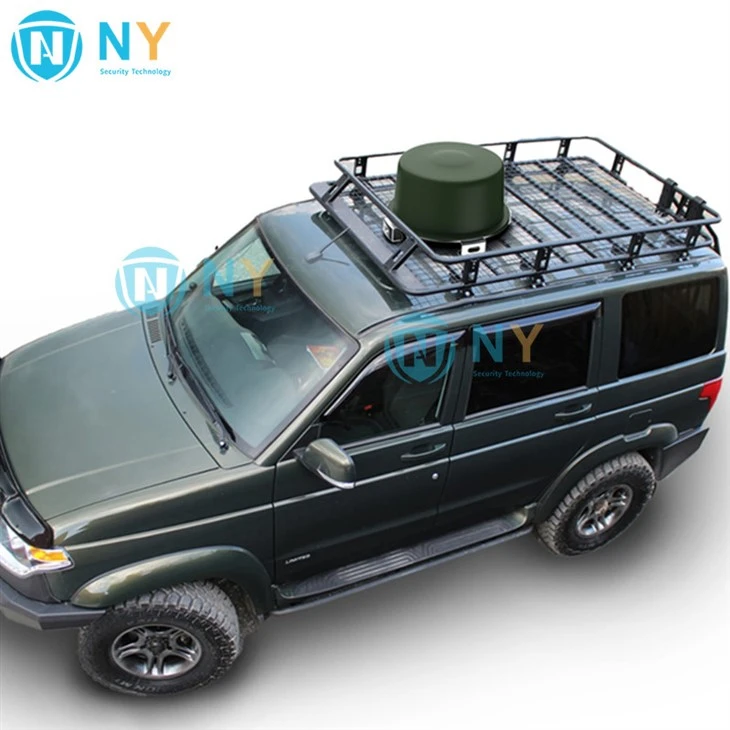
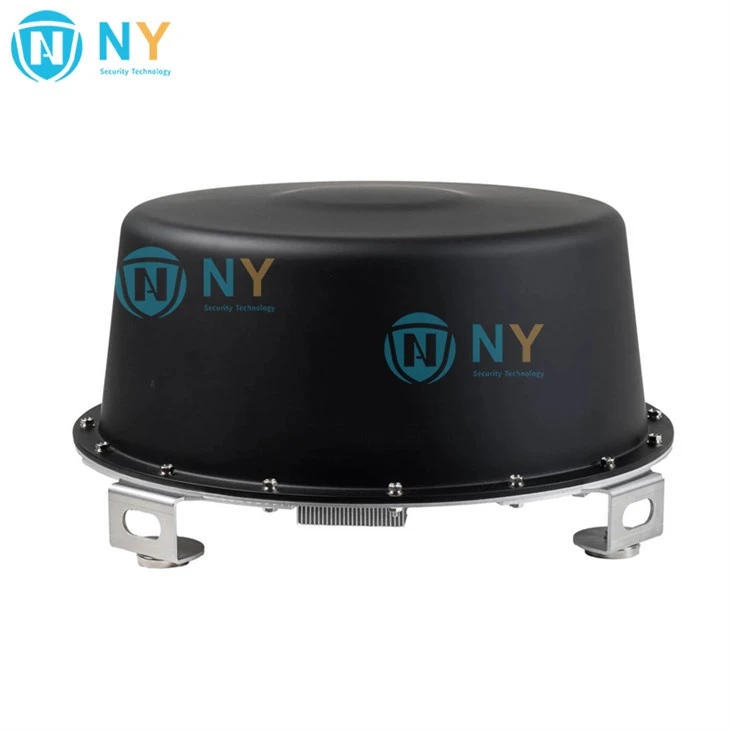
To address this issue, our car anti - drone systems, like the All-in-one Machine 6 Antennas High Power Vehicle Mount Anti FPV Drone System, are designed with strict electromagnetic compatibility (EMC) standards. Through advanced shielding and filtering technologies, we ensure that the electromagnetic emissions of our systems are well - controlled and do not interfere with the normal operation of the vehicle's electronic components.
2. Impact on Other Communication Systems
Car anti - drone systems can also have an impact on other communication systems in the area. Most drones operate on common frequency bands, such as 2.4 GHz and 5.8 GHz, which are also used by Wi - Fi networks, Bluetooth devices, and some cellular communication systems. When the anti - drone system is activated, it may disrupt these legitimate communication channels.
For instance, in a crowded urban area, the use of a high - power anti - drone system could cause Wi - Fi outages in nearby buildings or disrupt the Bluetooth connections of people in the vicinity. In some cases, it may even interfere with emergency communication systems, which is a serious safety concern.
Our company takes this issue very seriously. Our Integrated Dk6 Band 300W DC - DC12 - 24V Vehicle Counter 400 - 1100MHz 2.4G Can Be Customized 100 - 6g Frequency Anti Drone Fpv Drone Jammer Shielding System is equipped with frequency - selective jamming technology. This allows the system to specifically target the frequencies used by drones while minimizing the impact on other communication systems. Additionally, we provide users with detailed instructions on how to use the system safely, including information on when and where it is appropriate to activate the system.
3. Legal and Regulatory Compliance
Another important safety concern is related to legal and regulatory compliance. The use of anti - drone systems is regulated in many countries and regions. In some areas, it is illegal to use a device that intentionally jams or disrupts the communication of drones without proper authorization.
Operating an anti - drone system without following the relevant laws can result in significant legal consequences, including fines and even imprisonment. Moreover, unauthorized use of these systems can pose risks to public safety, as it may interfere with legitimate drone operations, such as those conducted by emergency responders or law enforcement agencies.
As a responsible supplier, we ensure that all our car anti - drone systems comply with international and local regulations. We provide our customers with information on the legal requirements in different regions and offer support in obtaining the necessary permits and approvals. Before purchasing our systems, we strongly recommend that customers consult with local authorities to ensure that they are using the system in a legal and safe manner.
4. Physical Safety
In addition to electromagnetic and legal concerns, there are also physical safety aspects to consider. Car anti - drone systems are often installed on vehicles, and improper installation or use can pose risks. For example, if the system is not securely mounted, it could become loose during vehicle movement and cause damage to the vehicle's interior or even injure the passengers.
Our 6 Antennas Man Pack 360 Degree 2000 Meter Anti Drone System Uav Signal Blocker FPV comes with detailed installation instructions, and we offer professional installation services to ensure that the system is installed correctly and safely. We also recommend regular maintenance and inspection of the system to detect and address any potential physical safety issues.
5. False Alarms and Unintended Activation
False alarms and unintended activation of car anti - drone systems can also be a safety concern. If the system误activates due to a malfunction or environmental factors, it may disrupt normal activities. For example, if the system is installed in a vehicle near an airport and mistakenly activates, it could interfere with the communication and navigation of aircraft, which is extremely dangerous.
To minimize the risk of false alarms, our anti - drone systems are equipped with advanced sensors and algorithms. These technologies can accurately distinguish between drones and other electromagnetic sources, reducing the likelihood of false activations. Additionally, we provide users with the option to set up specific activation parameters based on their needs and the environment in which the system will be used.
Conclusion
In conclusion, while car anti - drone systems offer an effective solution to the potential threats posed by drones, there are indeed several safety concerns that need to be addressed. These include electromagnetic interference, impact on other communication systems, legal and regulatory compliance, physical safety, and the risk of false alarms.
As a leading supplier of car anti - drone systems, we are committed to ensuring the safety and reliability of our products. Through advanced design, strict quality control, and comprehensive customer support, we strive to minimize the safety risks associated with the use of our systems.
If you are interested in our car anti - drone systems or have any questions about their safety and performance, please feel free to contact us for a detailed discussion. We are always ready to provide you with the best solutions and support for your anti - drone needs.
References
- Federal Communications Commission (FCC) regulations on electromagnetic interference and jamming devices.
- International Civil Aviation Organization (ICAO) guidelines on the use of anti - drone systems near airports.
- Industry standards for electromagnetic compatibility in automotive electronics.