

As a supplier of backpack anti - drones, I often get asked the question: Can a backpack anti - drone cause interference to other electronic devices? This is a crucial query, especially considering the growing use of anti - drone technology in various security and privacy scenarios. In this blog, we'll delve into the technical aspects of backpack anti - drones and explore their potential impact on other electronic systems.
How Backpack Anti - Drones Work
Backpack anti - drones, also known as man - portable anti - drone jammers, are designed to disrupt the communication links between drones and their operators. These devices typically work by emitting radio frequency (RF) signals at specific frequencies that are used by drones for control and data transmission.
Most drones rely on several frequency bands for operation, including 433MHz, 915MHz, 1.5GHz, 2.4GHz, 5.2GHz, and 5.8GHz. Backpack anti - drones are engineered to generate powerful RF signals within these bands to override the normal communication signals of drones. When the jamming signal is strong enough, it can cause the drone to lose its connection with the operator, forcing it to either land or return to its home point.
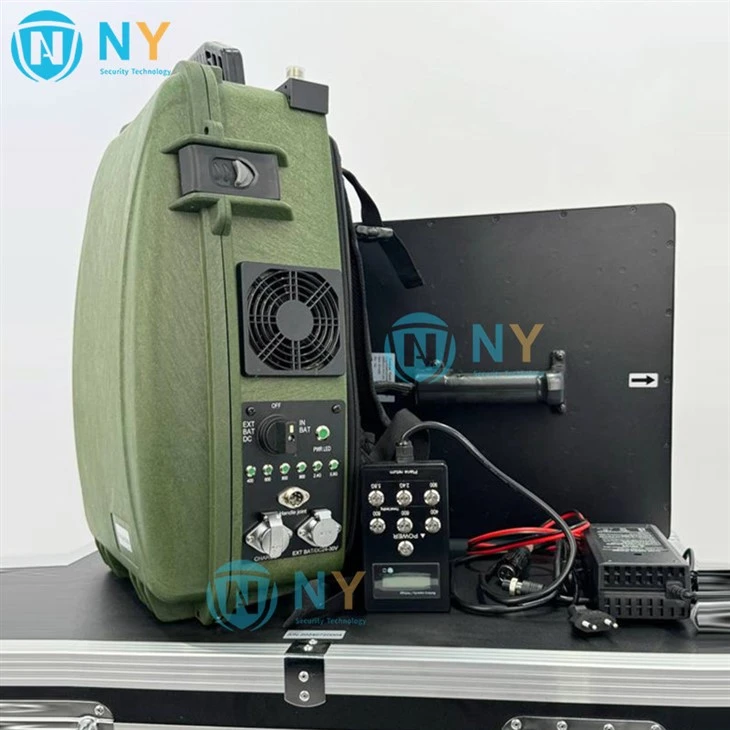
For instance, our Mn - 6 Latest 6 Channels Manpack Anti Drone Jammer With Long Distance Jamming Range GPS Fpv Drone Defense System Low Frequency Signal Blocker is equipped with six channels that can target multiple frequencies simultaneously. This multi - channel approach allows for more comprehensive jamming of different types of drones.

The Potential for Interference
The main concern regarding backpack anti - drones is their potential to interfere with other electronic devices that operate in the same frequency bands. Since these anti - drones emit RF signals, there is a possibility that nearby electronic systems could be affected.
Impact on Communication Devices
Many communication devices, such as mobile phones, Wi - Fi routers, and Bluetooth devices, operate in the 2.4GHz and 5.8GHz frequency bands. If a backpack anti - drone is used in close proximity to these devices, it could potentially disrupt their normal operation. For example, a mobile phone may experience dropped calls, slow data speeds, or even complete loss of signal when a powerful anti - drone jammer is in use.
However, modern backpack anti - drones are designed with advanced filtering and power control mechanisms to minimize such interference. Our Mn6 Channel Green Anti Drone Jammer Backpack Built - in Battery Portable Drone Jammer System Blocker 433MHz 915MHz 1.5g 2.4G 5.2g 5.8g is engineered to precisely target drone frequencies while reducing the spill - over of RF signals into adjacent frequency ranges. This helps to ensure that the impact on other communication devices is kept to a minimum.
Impact on Navigation Systems
GPS systems, which operate around 1.5GHz, are also at risk of interference from backpack anti - drones. Drones often use GPS for navigation, and anti - drones may jam these frequencies to disrupt the drone's positioning. In the vicinity of an anti - drone jammer, other GPS - enabled devices, such as car navigation systems and handheld GPS trackers, may experience errors in positioning or even complete loss of GPS signals.
To address this issue, some anti - drone manufacturers, including us, have developed anti - drones with adjustable power settings. This allows users to control the strength of the jamming signal based on the distance to the target drone. By reducing the power output when the drone is closer, the potential interference to other GPS - based systems can be significantly reduced. Our Portable Drone Jammer Anti Drone Backpack 10 Frequency 300 Watt Version offers this adjustable power feature, providing users with more flexibility in using the device without causing excessive interference.
Mitigating Interference
To minimize the risk of interference to other electronic devices, several strategies can be employed when using backpack anti - drones.
Proper Usage and Positioning
Users should ensure that the anti - drone is used in a way that maximizes its effectiveness against drones while minimizing the impact on other systems. This may involve positioning the device in an open area away from sensitive electronic equipment. For example, if using the anti - drone at an outdoor event, it should be placed at a distance from the main stage area where audio and lighting equipment are likely to be present.
Regulatory Compliance
In many countries, the use of anti - drone jammers is regulated to prevent unauthorized interference with other electronic systems. It is essential for users to comply with these regulations and obtain the necessary permits before using the device. As a supplier, we provide our customers with information on the legal requirements in different regions to ensure that they use our products in a responsible and compliant manner.
Conclusion
In conclusion, while there is a potential for backpack anti - drones to cause interference to other electronic devices, modern technology has made significant strides in reducing this risk. With proper design, such as advanced filtering and adjustable power settings, and responsible usage, the impact on other systems can be minimized.
As a leading supplier of backpack anti - drones, we are committed to providing high - quality products that offer effective drone defense while ensuring the least possible interference to other electronic devices. If you are interested in our backpack anti - drone products or have any questions about their use and potential interference, please feel free to contact us for further discussion and to explore the possibility of procurement.
References
- International Telecommunication Union (ITU) Radio Regulations
- Federal Communications Commission (FCC) rules on radio frequency interference
- Technical standards on anti - drone jamming devices from relevant industry associations