

Can anti - drone devices be used in no - fly zones?
In recent years, the proliferation of drones has brought both convenience and challenges for various sectors. While drones have been widely applied in fields such as aerial photography, agricultural monitoring, and logistics, they also pose threats in certain scenarios, especially in no - fly zones. This has led to a growing demand for anti - drone devices, and as a supplier of anti - drone devices, I am frequently asked whether these devices can be used in no - fly zones. In this blog post, I will delve into this issue and explore the relevant aspects.
Understanding No - Fly Zones
No - fly zones are areas where aircraft, including drones, are prohibited from flying. These zones are established for a variety of reasons, such as national security, public safety, and the protection of sensitive facilities. Common no - fly zones include airports, military bases, government buildings, and nuclear power plants. The restrictions in no - fly zones are typically enforced by laws and regulations, which carry penalties for violations.
The importance of maintaining the integrity of no - fly zones cannot be overstated. A rogue drone flying in a no - fly zone can disrupt airport operations, endanger the safety of military activities, or pose a risk to the security of sensitive information in government facilities. Therefore, effective measures are needed to prevent unauthorized drone intrusions.
How Anti - Drone Devices Work
Anti - drone devices are designed to detect, track, and neutralize unauthorized drones. There are several types of anti - drone technologies available on the market.
One of the most common types is the drone jammer. Drone jammers work by emitting radio - frequency (RF) signals to disrupt the communication links between the drone and its operator. When the communication link is blocked, the drone may lose control and either return to its take - off point or land safely. Some advanced drone jammers can also interfere with the drone's global positioning system (GPS), preventing it from navigating accurately.
Another type of anti - drone device is the drone detection system. These systems use radar, electro - optical/infrared (EO/IR) sensors, acoustic sensors, or a combination of them to detect the presence of drones. Once a drone is detected, the system can provide real - time information about its location, altitude, and speed, enabling security personnel to take appropriate actions.
Legality of Using Anti - Drone Devices in No - Fly Zones
The legality of using anti - drone devices in no - fly zones varies from country to country. In many regions, the use of anti - drone devices is strictly regulated. For example, in the United States, the Federal Communications Commission (FCC) has strict rules regarding the use of RF jamming devices, which are considered illegal in most cases because they can interfere with legitimate radio communications. However, there are exceptions for authorized government agencies and security personnel in certain circumstances.
Some countries have introduced specific laws and regulations for the use of anti - drone devices in no - fly zones. These regulations often require users to obtain proper licenses or permissions before deploying such devices. For instance, in the United Kingdom, the Civil Aviation Authority (CAA) has clear guidelines on the use of anti - drone equipment, and only authorized organizations can use them in specific situations.
As a supplier of anti - drone devices, we are committed to ensuring that our customers are aware of the legal requirements in their respective regions. We provide detailed information about the legal status of our products and offer assistance in obtaining the necessary permits.
Advantages of Using Anti - Drone Devices in No - Fly Zones
Despite the regulatory challenges, there are several advantages to using anti - drone devices in no - fly zones.

Firstly, anti - drone devices can significantly enhance security. By detecting and neutralizing unauthorized drones, they can prevent potential threats such as espionage, smuggling, or terrorist attacks. For example, in a military base, an anti - drone device can detect and disable a drone that may be attempting to gather intelligence on military operations.
Secondly, anti - drone devices can help maintain the normal operation of critical facilities. In an airport, for instance, a single drone intrusion can cause flight cancellations and delays, resulting in significant economic losses. Anti - drone devices can prevent such disruptions and ensure the smooth operation of the airport.
Our Anti - Drone Solutions
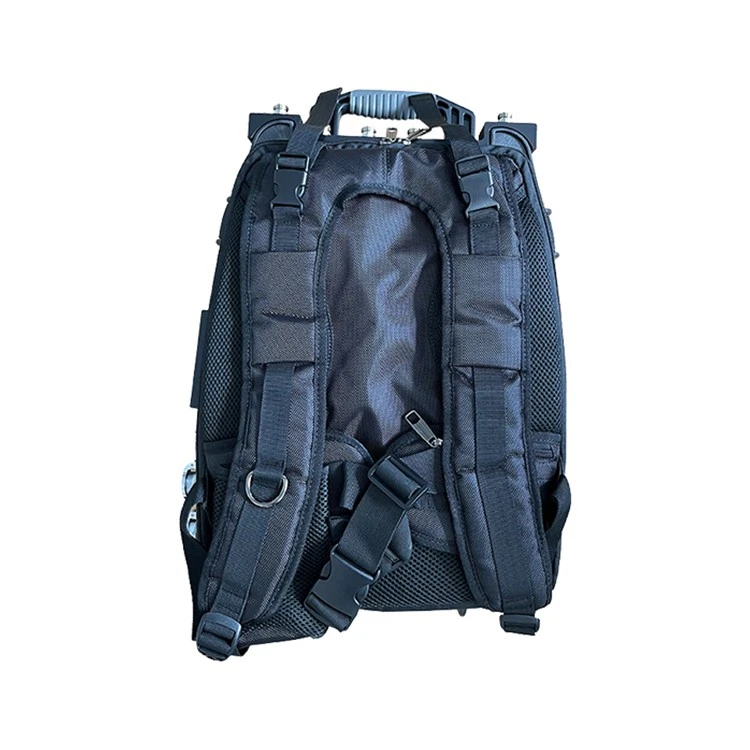
We offer a wide range of anti - drone devices to meet the diverse needs of our customers. One of our flagship products is the Individual Soldier 8 Antenna Backpack Portable Anti Drone System FPV. This system is highly portable and can be easily carried by a single soldier or security personnel. It is equipped with eight antennas, which provide a wide coverage area and strong jamming capabilities. The system can effectively jam the RF and GPS signals of most drones on the market, ensuring the safety of the area.
In addition to the portable system, we also provide fixed - installation anti - drone solutions for large - scale facilities such as airports and military bases. These solutions integrate multiple detection and neutralization technologies to provide comprehensive protection.
Considerations for Using Anti - Drone Devices in No - Fly Zones
When using anti - drone devices in no - fly zones, there are several considerations that need to be taken into account.
Firstly, as mentioned earlier, legal compliance is crucial. Users must ensure that they have obtained all the necessary licenses and permissions before deploying the devices. Failure to do so can result in severe legal consequences.
Secondly, the potential impact on legitimate radio communications needs to be considered. Anti - drone jammers can interfere with other radio - frequency devices, such as mobile phones and Wi - Fi routers. Therefore, it is important to use the devices in a controlled manner and to select appropriate frequencies to minimize the interference.
Finally, the effectiveness of anti - drone devices may vary depending on the type and model of the drone. Some high - end drones are equipped with advanced anti - jamming technologies, which may reduce the effectiveness of the anti - drone devices. Therefore, it is important to choose the right anti - drone solution based on the specific threat environment.
Conclusion
In conclusion, while the use of anti - drone devices in no - fly zones is subject to legal regulations, it can provide significant benefits in terms of security and the normal operation of critical facilities. As a supplier of anti - drone devices, we are dedicated to providing high - quality products and services to our customers. We understand the legal and technical challenges associated with using anti - drone devices and are committed to helping our customers make informed decisions.
If you are interested in our anti - drone solutions and would like to discuss your specific requirements, please do not hesitate to contact us for a procurement negotiation. We look forward to working with you to ensure the safety and security of your no - fly zones.
References
- Federal Communications Commission (FCC) regulations on RF jamming devices
- Civil Aviation Authority (CAA) guidelines on the use of anti - drone equipment in the United Kingdom
- Industry reports on the development and application of anti - drone technologies