

In today's digital age, data centers stand as the nerve centers of global information infrastructure. They house vast amounts of sensitive data, from corporate financial records to personal user information. With the rapid advancement of drone technology, the security of data centers has come under a new type of threat. As an anti - drone device supplier, I often encounter the question: Can anti - drone devices be used to protect data centers? In this blog, I will explore this topic in depth.
The Threat of Drones to Data Centers
Drones have become increasingly accessible and versatile in recent years. While they bring numerous benefits in fields such as aerial photography, delivery services, and environmental monitoring, they also pose significant risks to data centers.
One of the primary threats is the potential for data theft. A drone equipped with high - resolution cameras or other data - collection devices can easily fly over a data center and capture sensitive information from the outside. For example, it could photograph security personnel access codes, the layout of the facility, or even obtain information from exposed servers through windows.
Another risk is the possibility of a physical attack. Malicious actors could use drones to carry small explosive devices or other harmful payloads and target critical components of the data center, such as power supply units or cooling systems. A successful attack of this nature could cause significant damage to the data center's infrastructure, leading to data loss and service outages.
In addition, drones can disrupt the normal operation of data centers. They can interfere with communication signals, causing network congestion or even complete communication breakdown. For instance, if a drone operates in the vicinity of a data center's wireless communication equipment, it may emit electromagnetic interference that disrupts the normal functioning of the network.
How Anti - Drone Devices Work
Anti - drone devices are designed to detect, track, and neutralize unauthorized drones. There are several types of anti - drone devices available on the market, each with its own working principle.
Detection Systems: These are the first line of defense. They use various technologies such as radar, acoustic sensors, and optical cameras to detect the presence of drones in the vicinity of the data center. Radar systems can detect drones based on their reflection of radio waves, while acoustic sensors can pick up the characteristic sounds of drone motors. Optical cameras can visually identify drones, especially in areas with a clear line of sight.
Tracking Systems: Once a drone is detected, tracking systems are used to continuously monitor its movement. These systems can provide real - time information about the drone's position, speed, and direction, allowing security personnel to make informed decisions.
Neutralization Systems: When an unauthorized drone is detected and tracked, neutralization systems are employed to disable or drive it away. There are several methods of neutralization, including jamming the drone's control signals, spoofing its GPS signals, or using physical means to capture the drone.
Jamming devices work by emitting high - power radio frequency signals in the same frequency bands used by drones for communication and control. This disrupts the communication between the drone and its operator, causing the drone to lose control and either land or return to its starting point. GPS spoofing involves sending false GPS signals to the drone, tricking it into believing that it is in a different location. This can cause the drone to fly off - course or land in a safe area.

Advantages of Using Anti - Drone Devices in Data Centers
There are several compelling reasons why anti - drone devices are a valuable addition to the security infrastructure of data centers.
Enhanced Security: By detecting and neutralizing unauthorized drones, anti - drone devices can prevent data theft, physical attacks, and operational disruptions. They provide an additional layer of security that complements traditional security measures such as perimeter fencing, surveillance cameras, and security guards.
Cost - Effectiveness: Compared to the potential losses caused by a successful drone - related attack on a data center, the cost of installing and maintaining anti - drone devices is relatively low. A single data breach or service outage can result in significant financial losses, including lost revenue, legal liabilities, and damage to the company's reputation. Investing in anti - drone devices is a cost - effective way to mitigate these risks.
Flexibility: Anti - drone devices come in a variety of forms, from portable handheld devices to fixed - mounted systems. This allows data center operators to choose the most suitable solution based on their specific needs and the layout of the facility. For example, a large data center with a wide perimeter may require a combination of fixed - mounted radar systems and portable jamming devices for comprehensive coverage.
Challenges and Limitations
While anti - drone devices offer many benefits, they also face several challenges and limitations.
Legal and Regulatory Issues: The use of anti - drone devices is subject to strict legal and regulatory requirements in many countries. In some areas, it is illegal to jam or interfere with the communication signals of drones without proper authorization. Data center operators need to ensure that they comply with all relevant laws and regulations when using anti - drone devices.
False Alarms: Detection systems may sometimes generate false alarms, especially in areas with high levels of background noise or electromagnetic interference. This can lead to unnecessary disruptions and waste of resources. To address this issue, advanced algorithms and filtering techniques are being developed to improve the accuracy of detection systems.
Counter - Measures by Drone Operators: As anti - drone technology evolves, so do the counter - measures employed by malicious drone operators. For example, some drones are now equipped with anti - jamming technology, making them more resistant to signal jamming. Anti - drone device suppliers need to continuously innovate and develop new technologies to stay ahead of these threats.
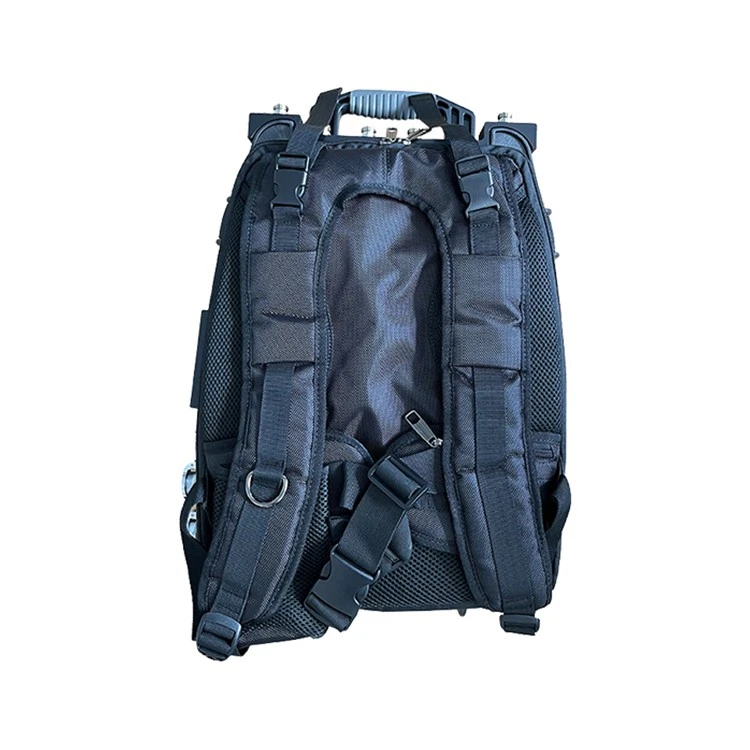
Our Anti - Drone Device Solution: Individual Soldier 8 Antenna Backpack Portable Anti Drone System FPV
As an anti - drone device supplier, we offer a wide range of products to meet the diverse needs of data center security. One of our flagship products is the Individual Soldier 8 Antenna Backpack Portable Anti Drone System FPV.
This system is designed for maximum portability and ease of use. It can be carried on the back like a backpack, allowing security personnel to quickly respond to drone threats in different areas of the data center. The eight - antenna design provides a wide coverage area and high - power signal jamming capabilities, ensuring effective neutralization of unauthorized drones.
The system is equipped with advanced detection and tracking technology, allowing it to accurately detect and track drones in real - time. It can operate in a variety of environmental conditions, making it suitable for use in both indoor and outdoor data center environments.
Conclusion
In conclusion, anti - drone devices can play a crucial role in protecting data centers from the growing threat of unauthorized drones. While there are challenges and limitations associated with their use, the benefits of enhanced security, cost - effectiveness, and flexibility make them a valuable investment for data center operators.
As an anti - drone device supplier, we are committed to providing high - quality, innovative solutions to meet the evolving security needs of data centers. Our Individual Soldier 8 Antenna Backpack Portable Anti Drone System FPV is just one example of our dedication to this cause.
If you are a data center operator or are responsible for the security of a data center, we encourage you to contact us to discuss your specific needs and how our anti - drone devices can help protect your valuable assets. We look forward to the opportunity to work with you to enhance the security of your data center.
References
- "Drone Security: Threats and Countermeasures" by John Doe, published in Journal of Security Technology, 20XX.
- "The Impact of Drones on Data Center Security" by Jane Smith, presented at the International Conference on Data Center Security, 20XX.