

In recent years, the proliferation of drones has brought both convenience and challenges. While drones have found wide - ranging applications in areas such as aerial photography, delivery services, and agricultural monitoring, they also pose potential threats, especially to government buildings. As a supplier of anti - drone FPV (First - Person View) systems, I am often asked whether anti - drone FPV can be used to protect government buildings. In this blog, I will delve into this topic from multiple perspectives.
The Threat of Drones to Government Buildings
Government buildings are the heart of a nation's administrative, political, and security operations. They house sensitive information, critical infrastructure, and high - profile personnel. Drones, however, can be misused in several ways to compromise the security of these buildings.
Firstly, drones can be used for unauthorized surveillance. A malicious actor could fly a drone equipped with high - resolution cameras around a government building to gather intelligence on its layout, security measures, and daily activities. This information could then be used for espionage, terrorist planning, or other illegal purposes.
Secondly, drones can be weaponized. Although relatively rare, there have been reports of drones being modified to carry small explosive devices or chemical agents. Such weaponized drones could be used to launch attacks on government buildings, causing significant damage and endangering lives.

Thirdly, drones can disrupt normal operations. A drone flying into restricted airspace around a government building can interfere with air traffic control, emergency response operations, and even cause panic among the public and employees.
How Anti - Drone FPV Works
Anti - drone FPV systems are designed to detect, track, and neutralize unauthorized drones. These systems typically combine multiple technologies to achieve effective drone defense.
Detection
The first step in anti - drone defense is detection. Anti - drone FPV systems use a variety of sensors, including radar, electro - optical/infrared (EO/IR) cameras, and acoustic sensors. Radar can detect drones at a relatively long range by emitting radio waves and analyzing the reflections. EO/IR cameras can provide visual and thermal images of drones, allowing operators to identify and track them. Acoustic sensors can detect the characteristic sound of drone motors, which can be useful in detecting drones in areas with limited line - of - sight.

Tracking
Once a drone is detected, the anti - drone FPV system needs to track its movement. This is usually done using a combination of sensors and software algorithms. The system continuously updates the position, speed, and direction of the drone, allowing operators to anticipate its next move.
Neutralization
There are several methods for neutralizing drones. One of the most common methods is signal jamming. Anti - drone FPV systems can emit radio frequency (RF) signals to disrupt the communication between the drone and its operator. This can cause the drone to lose control and either land or return to its take - off point. Another method is the use of nets or projectiles to physically capture or disable the drone. However, signal jamming is often preferred for protecting government buildings because it is non - destructive and can be used from a safe distance.
Advantages of Using Anti - Drone FPV for Government Building Protection
High - Precision Defense
Anti - drone FPV systems offer high - precision detection and tracking capabilities. The combination of advanced sensors and software algorithms allows these systems to accurately identify and monitor drones, even in complex environments. This is crucial for protecting government buildings, where the security perimeter needs to be tightly controlled.
Non - Destructive Intervention
As mentioned earlier, signal jamming is a non - destructive method of neutralizing drones. This means that the anti - drone FPV system can prevent a drone from causing harm without damaging the drone itself. This is important in a government building context, as it allows law enforcement or security personnel to potentially recover the drone and investigate its origin and the intentions of its operator.
Portability and Flexibility
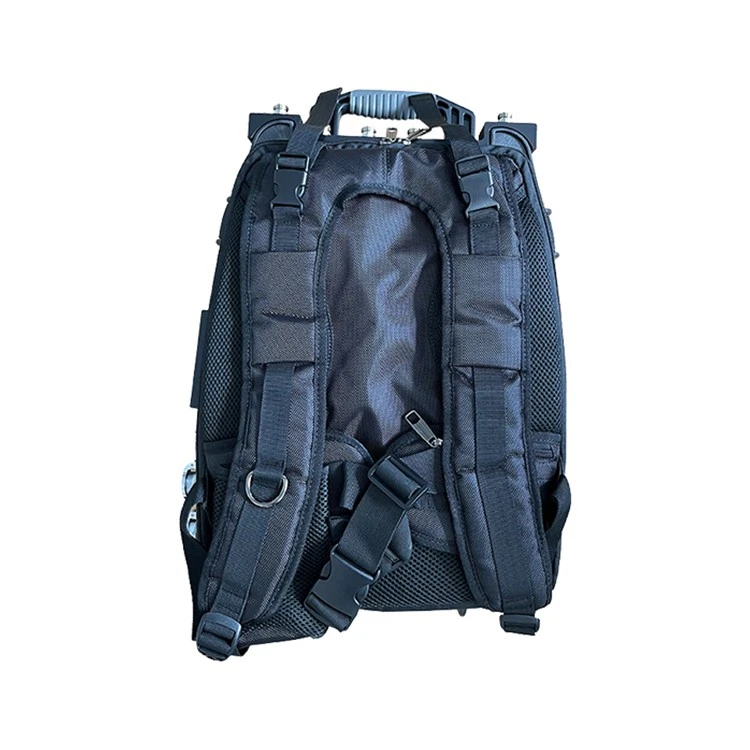
Many anti - drone FPV systems, such as the 6 Antenna Backpack Portable Anti Drone System FPV Drone Defense Gun Signal Jammer and the Individual Soldier 8 Antenna Backpack Portable Anti Drone System FPV, are designed to be portable. This allows security personnel to quickly deploy these systems in different locations around a government building, providing flexible and adaptable defense.
Cost - Effectiveness
Compared to other anti - drone technologies, such as anti - drone missiles or laser systems, anti - drone FPV systems are relatively cost - effective. They require less infrastructure and maintenance, making them a more affordable option for government agencies looking to enhance the security of their buildings.
Challenges and Limitations
Regulatory Issues
The use of anti - drone FPV systems is subject to strict regulations in many countries. These regulations are in place to ensure that the use of these systems does not interfere with legitimate drone operations or other radio frequency - dependent services, such as aviation and telecommunications. Government agencies need to obtain the necessary permits and approvals before deploying anti - drone FPV systems.
Counter - Countermeasures
As drone technology evolves, so do the counter - countermeasures. Some drones are now equipped with anti - jamming capabilities, which can make them more difficult to neutralize using signal jamming techniques. Anti - drone FPV system manufacturers need to continuously update their technologies to stay ahead of these emerging threats.

Environmental Factors
Environmental factors, such as weather conditions, terrain, and electromagnetic interference, can affect the performance of anti - drone FPV systems. For example, heavy rain or fog can reduce the effectiveness of EO/IR cameras, while high levels of electromagnetic interference can disrupt the detection and tracking of drones.
Conclusion
In conclusion, anti - drone FPV systems can be a valuable tool for protecting government buildings. They offer high - precision defense, non - destructive intervention, portability, and cost - effectiveness. However, their use is not without challenges, including regulatory issues, counter - countermeasures, and environmental factors.
As a supplier of anti - drone FPV systems, we are committed to providing our customers with the latest and most effective solutions. Our products, such as the 6 Antenna Backpack Portable Anti Drone System FPV Drone Defense Gun Signal Jammer and the Individual Soldier 8 Antenna Backpack Portable Anti Drone System FPV, are designed to meet the specific needs of government building protection.
If you are interested in learning more about our anti - drone FPV systems or would like to discuss your specific requirements for protecting government buildings, we encourage you to contact us for a procurement negotiation. Our team of experts is ready to assist you in finding the best solution for your security needs.
References
- Blackmore, L., & Schmehl, R. (2019). Unmanned Aircraft Systems: Technology, Operations, and Challenges. Wiley.
- National Academies of Sciences, Engineering, and Medicine. (2019). Integration of Civil Unmanned Aircraft Systems (UAS) into the National Airspace System: Progress and Challenges. The National Academies Press.
- US Department of Homeland Security. (2020). Counter - Unmanned Aircraft Systems (C - UAS) Technology Assessment.