

Hey there! As a supplier of car anti-drone systems, I often get asked about how our car anti-drone systems stack up against home anti-drone systems. So, I thought I'd take a deep dive into this topic and share my insights with you all.
First off, let's talk about the basics. What exactly is an anti-drone system? Well, in simple terms, it's a device or a set of devices designed to detect, track, and neutralize unauthorized drones. With the increasing popularity of drones, the need for such systems has grown significantly, whether it's to protect a moving vehicle or a stationary home.
Mobility and Flexibility
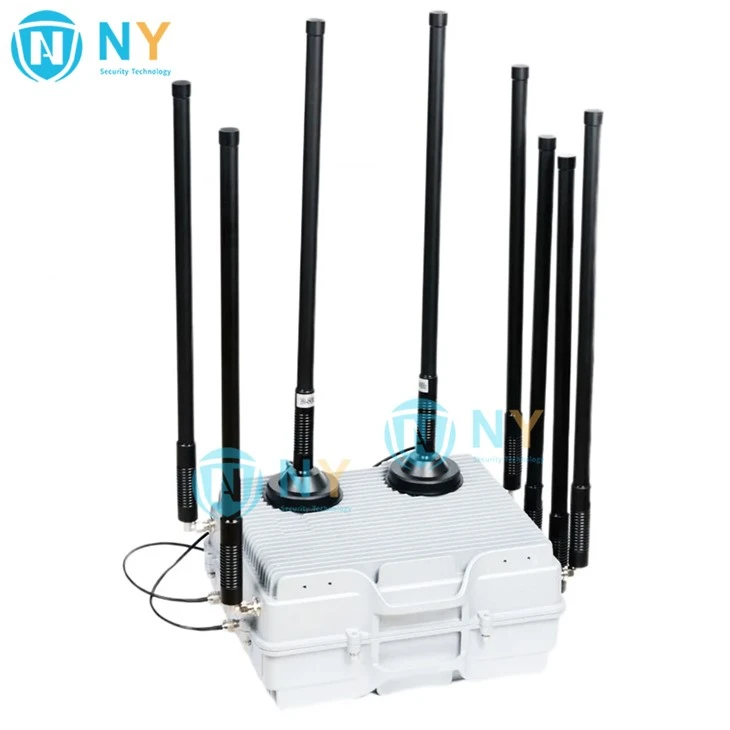
One of the most obvious differences between a car anti-drone system and a home anti-drone system is mobility. A car anti-drone system, like the ones we offer at our company, is built to be used on the go. It needs to be compact, lightweight, and easily installable in a vehicle. This mobility gives it a huge advantage in certain situations. For example, if you're a VIP traveling in a car, you need protection against potential drone threats wherever you go. Our Factory Direct Sales + Channels Customizable Frequency 200 - 1050MHz Vehicle Mounted Anti-Drone Fpv Equipment Built-in GaN Jammer DC 24V Signal Shielding Drone is designed to be mounted on a vehicle and can provide continuous protection while you're on the move.
On the other hand, a home anti-drone system is usually fixed in one place. It can be set up around the perimeter of a house or a property. While it may not have the mobility of a car system, it can be more powerful in terms of range and coverage. Since it doesn't need to be portable, it can be larger and have more robust components. For instance, you can install multiple sensors and jammers at different points around your home to create a comprehensive anti-drone shield.

Power Source and Energy Efficiency
Another important factor to consider is the power source. Car anti-drone systems typically rely on the vehicle's power supply, such as a 12V or 24V battery. This means they need to be energy-efficient to avoid draining the car's battery. Our systems are designed to optimize power consumption while still providing effective anti-drone protection. They use advanced technologies like GaN (Gallium Nitride) jammers, which are more energy-efficient than traditional jammers.
Home anti-drone systems, on the other hand, can be connected to the main power grid. This gives them access to a more stable and abundant power source. As a result, they can run more powerful sensors and jammers for extended periods without any concerns about power supply. However, this also means that they are more limited in terms of placement, as they need to be near a power outlet.
Detection and Tracking Capabilities
When it comes to detecting and tracking drones, both car and home anti-drone systems have their own strengths. Car anti-drone systems need to be able to quickly detect and respond to drones while on the move. They often use a combination of radar, optical sensors, and acoustic sensors to detect drones in real-time. Since the vehicle is moving, the system needs to be able to adapt to changing environments and quickly identify potential threats.
Home anti-drone systems, on the other hand, can have more time to analyze and track drones. They can use more sophisticated detection technologies, such as long-range radar and thermal imaging cameras. These sensors can cover a larger area and provide more detailed information about the drones, such as their speed, altitude, and flight path. This allows for more accurate tracking and better decision-making when it comes to neutralizing the drones.
Neutralization Methods
Both car and home anti-drone systems use similar methods to neutralize drones, such as signal jamming. Signal jamming works by interfering with the communication signals between the drone and its operator, causing the drone to lose control and either land or return to its starting point. Our car anti-drone systems, like the 6 Antennas Man Pack 360 Degree 2000 Meter Anti Drone System Uav Signal Blocker FPV, are equipped with powerful jammers that can effectively block multiple frequencies used by drones.
Home anti-drone systems can also use signal jamming, but they may have more options when it comes to neutralization methods. For example, some home systems can use net guns or lasers to physically capture or disable the drones. These methods may not be practical for a car system due to the limited space and the need for quick and precise action.
Cost and Affordability
Cost is always a factor when it comes to purchasing an anti-drone system. Car anti-drone systems tend to be more expensive than home anti-drone systems. This is because they require more advanced technology to be mobile and energy-efficient. However, the cost also depends on the features and capabilities of the system. Our high-end car anti-drone systems, such as the 8 Frequency Uav Neutralization System Against Fpv Racing Drone All Band Full Frequency Automatic Working C-Uav C-Uav Combat Signal Jammer, offer a wide range of features and high performance, which justifies the higher price.
Home anti-drone systems can be more affordable, especially for basic models. They can be a good option for homeowners who want to protect their property from drones without breaking the bank. However, if you want a more advanced system with multiple sensors and powerful jammers, the cost can also add up.
Conclusion
In conclusion, both car anti-drone systems and home anti-drone systems have their own unique advantages and disadvantages. A car anti-drone system offers mobility and flexibility, making it ideal for protecting vehicles on the move. It also requires energy-efficient design and quick detection capabilities. On the other hand, a home anti-drone system provides more stable power supply, larger coverage area, and more options for neutralization methods.
If you're in the market for an anti-drone system, you need to consider your specific needs and requirements. Whether it's protecting your car or your home, we have a range of products to suit your needs. If you're interested in learning more about our car anti-drone systems or have any questions, feel free to reach out to us for a purchase negotiation. We're here to help you find the best solution for your anti-drone needs.
References
- Drone Regulations and Anti-Drone Technologies: A Global Overview, Journal of Aerospace Law and Technology
- The Rise of Drones and the Need for Anti-Drone Systems, International Journal of Unmanned Systems