

How does anti drone fpv work in coastal areas?
Coastal areas are unique environments that face a variety of security challenges, including the increasing threat of unauthorized drones. First - person view (FPV) drones, in particular, have become a concern due to their high - speed, maneuverability, and potential for malicious use. As an anti - drone FPV system supplier, I'll explain how our anti - drone FPV solutions operate in coastal areas.
Understanding the Threat of FPV Drones in Coastal Areas
Coastal regions are home to a wide range of critical infrastructure such as ports, oil rigs, naval bases, and tourist attractions. FPV drones can pose multiple threats. They can be used for illegal surveillance, to deliver contraband, or even as a means of a terrorist attack. In addition, the open and often windy nature of coastal areas can make FPV drones harder to detect and counter as they can take advantage of wind patterns to fly undetected or move quickly.
Detection Mechanisms in Coastal Areas
Our anti - drone FPV systems start with advanced detection capabilities. One of the primary methods is through radio frequency (RF) sensors. FPV drones rely on RF signals to communicate between the controller and the drone. In coastal areas, where there may be interference from other RF sources such as ship communication systems and coastal radio stations, our RF sensors are designed with high - precision algorithms to filter out background noise and accurately identify the unique RF signatures of FPV drones.
Acoustic sensors are also employed. The distinct sound of an FPV drone's motors can be picked up by our acoustic sensors. In the coastal environment, where the sound of waves and wind can be quite loud, these sensors are engineered to distinguish the characteristic drone noise from the natural background. They are placed at strategic locations along the coast, taking into account the terrain and the expected flight paths of drones.
Optical sensors, including high - resolution cameras and thermal imaging devices, are another crucial part of the detection system. In coastal areas, the changing light conditions due to the sun reflecting off the water can be a challenge. Our optical sensors are equipped with auto - adjustment features to adapt to different lighting scenarios, ensuring continuous and accurate detection of FPV drones, whether they are flying during the day or at night.
Tracking and Identification
Once an FPV drone is detected, our anti - drone systems immediately start tracking it. This is done using a combination of the data from the RF, acoustic, and optical sensors. The tracking system creates a real - time map of the drone's position, speed, and flight path.
In coastal areas, where drones may be flying over water or near complex coastal structures, accurate tracking is essential. Our systems use advanced algorithms to predict the drone's future movements based on its current trajectory. This helps in preparing for the counter - measure phase.

Identification of the drone is also an important step. Our anti - drone FPV systems can analyze the RF signals to determine the make and model of the drone. This information is valuable as different drones may have different vulnerabilities and operating frequencies. For example, some high - end FPV drones may operate on multiple frequencies simultaneously to avoid jamming, and knowing the specific model allows our system to adjust its counter - measures accordingly.
Counter - Measure Techniques
After detecting and tracking an FPV drone, the next step is to neutralize the threat. Our company offers a range of counter - measure solutions suitable for coastal areas.

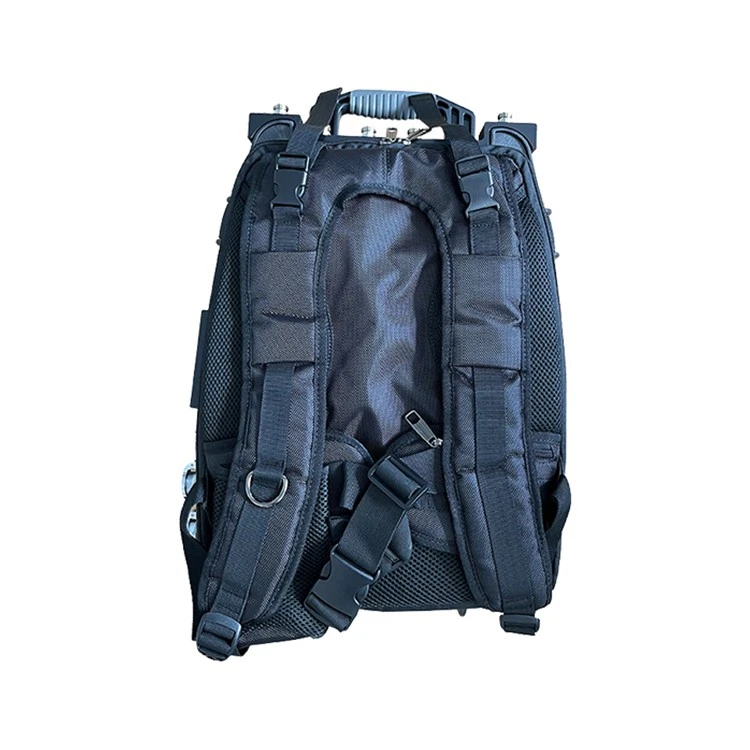
One of our key products is the Individual Soldier 8 Antenna Backpack Portable Anti Drone System FPV. This portable system is ideal for coastal security personnel who need to quickly respond to a drone threat. It can jam the RF signals that the FPV drone uses to communicate with its controller and receive GPS signals. In coastal areas, where the threat may emerge suddenly, the portability of this system allows security teams to move quickly and effectively counter the drone.
Another product is the 6 Antenna Backpack Portable Anti Drone System FPV Drone Defense Gun Signal Jammer. This device is designed to provide a more targeted jamming solution. It can be used to focus the jamming signal on a specific drone, minimizing the impact on other legitimate RF devices in the area. In coastal areas, where there may be a high density of RF - dependent equipment such as ships' navigation systems, this targeted approach is crucial to avoid collateral interference.
In addition to jamming, our anti - drone systems can also be integrated with net - firing devices. In coastal areas, where shooting down a drone with a traditional weapon may not be practical due to the risk of falling debris into the water or hitting nearby structures, net - firing devices can safely capture the drone. The net is launched at a high speed and is designed to entangle the drone's propellers, bringing it down gently.
Environmental Considerations in Coastal Areas
The coastal environment presents unique challenges for anti - drone FPV systems. The high humidity and saltwater corrosion can damage electronic components. Our anti - drone systems are built with ruggedized enclosures and anti - corrosion coatings to withstand these harsh conditions.
The strong winds and changing weather patterns in coastal areas can also affect the performance of the anti - drone systems. Our sensors are designed to be stable in windy conditions, and the jamming devices are calibrated to account for the potential signal dispersion caused by wind.

Moreover, the presence of large bodies of water can affect the propagation of RF signals. Our engineers have developed algorithms that take into account the reflection and refraction of RF signals off the water surface to ensure accurate detection and jamming.
Integration with Existing Coastal Security Systems
Our anti - drone FPV systems can be seamlessly integrated with existing coastal security infrastructure. For example, they can be connected to the surveillance cameras at ports and naval bases. This integration allows for a more comprehensive security approach, where the anti - drone system can be triggered when a potential threat is detected by the surveillance cameras.
It can also be integrated with the communication systems of coastal security teams. When an FPV drone is detected and neutralized, the system can send real - time alerts to the security personnel, providing them with detailed information about the threat and the actions taken.
Conclusion
In conclusion, the threat of FPV drones in coastal areas is a significant concern, but our anti - drone FPV systems offer effective solutions. Through advanced detection, tracking, and counter - measure techniques, combined with a consideration of the unique coastal environment, we can help protect the critical infrastructure and security of coastal regions.
If you are interested in learning more about our anti - drone FPV systems or are looking to make a purchase for your coastal security needs, please feel free to contact us for a detailed discussion. Our team of experts is ready to assist you in finding the most suitable solution for your specific requirements.
References
- Johnson, A. (2020). "Drone Security in Coastal Environments". Journal of Maritime Security, 15(2), 34 - 45.
- Smith, B. (2021). "Advanced Anti - Drone Technologies for Coastal Areas". International Journal of Security Technologies, 20(3), 67 - 78.