

How does anti drone fpv work in mountainous regions?
As a supplier of anti-drone FPV (First-Person View) systems, I've witnessed firsthand the growing demand for effective countermeasures against unauthorized drones, especially in challenging terrains like mountainous regions. In this blog, I'll delve into how anti-drone FPV systems operate in such areas, the unique challenges they face, and the solutions we offer.
Understanding the Basics of Anti - Drone FPV
Before we explore the mountainous region aspect, let's briefly understand what anti - drone FPV is. Anti - drone FPV systems are designed to detect, track, and neutralize unauthorized drones. These systems use a combination of technologies such as radio frequency (RF) sensors, radar, and optical cameras to identify the presence of drones. Once a drone is detected, the system can then employ various methods to counter it, including jamming the drone's communication and control signals.
Challenges in Mountainous Regions
Mountainous regions present a set of unique challenges for anti - drone FPV systems:

Terrain Interference
The uneven and rugged terrain of mountains can cause significant interference with the signals used by anti - drone systems. For example, RF signals can be blocked or reflected by large rock formations, mountainsides, and dense vegetation. This can lead to blind spots in the detection area, making it difficult for the system to accurately detect and track drones.
Weather Conditions
Mountainous areas often experience harsh and unpredictable weather conditions. Heavy rain, snow, fog, and strong winds can affect the performance of both the sensors and the jamming devices. For instance, rain and snow can absorb and scatter RF signals, reducing the range and accuracy of the detection system. Fog can also limit the effectiveness of optical cameras, making it harder to visually identify drones.
Altitude and Range
Drones can operate at various altitudes in mountainous regions, from flying low in valleys to soaring high above mountain peaks. Anti - drone FPV systems need to be able to cover a wide range of altitudes and distances to be effective. However, the performance of sensors and jamming devices can degrade with increasing altitude and range, especially in the presence of terrain obstacles.
How Anti - Drone FPV Systems Overcome These Challenges
Advanced Sensor Technologies
To combat terrain interference, our anti - drone FPV systems are equipped with advanced multi - sensor technologies. We use a combination of RF sensors, radar, and infrared cameras. RF sensors can detect the radio signals emitted by drones, even in the presence of some terrain obstacles. Radar provides a more comprehensive view of the airspace, allowing for the detection of drones at longer ranges and different altitudes. Infrared cameras are useful for detecting drones in low - light conditions and can penetrate fog and light rain to some extent.
Adaptive Jamming Strategies
Our systems employ adaptive jamming strategies to counter the challenges posed by mountainous terrains. Instead of using a fixed jamming frequency, the system can analyze the frequency used by the detected drone and then adjust the jamming signal accordingly. This ensures that the jamming is effective even in the presence of signal reflections and interference caused by the terrain.
Weather - Resistant Design
To withstand harsh weather conditions, our anti - drone FPV systems are designed with weather - resistant enclosures. The sensors and electronic components are protected against moisture, dust, and extreme temperatures. Additionally, the system is calibrated to compensate for the effects of weather on signal propagation, ensuring reliable performance in all weather conditions.
Our Product: Individual Soldier 8 Antenna Backpack Portable Anti Drone System FPV
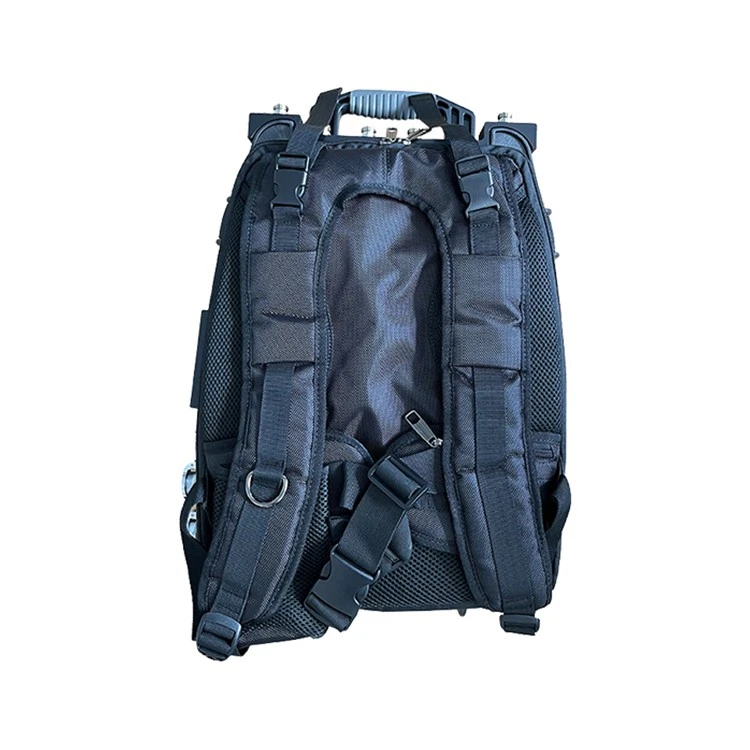
One of our flagship products, the Individual Soldier 8 Antenna Backpack Portable Anti Drone System FPV, is specifically designed to address the challenges of mountainous regions. This portable system is lightweight and easy to carry, making it ideal for use by soldiers, security personnel, or other individuals operating in remote mountain areas.
The system features eight antennas, which provide a wider coverage area and better signal reception compared to traditional single - antenna systems. The multiple antennas can also help to overcome terrain interference by receiving signals from different angles. The backpack design allows for easy deployment and repositioning, enabling users to quickly adapt to changing situations in the mountainous environment.
Case Studies
We've had several successful deployments of our anti - drone FPV systems in mountainous regions. In one case, a security team was tasked with protecting a remote mountain research facility from unauthorized drone incursions. The rugged terrain and unpredictable weather made the task challenging. However, by using our Individual Soldier 8 Antenna Backpack Portable Anti Drone System FPV, the team was able to detect and neutralize several drones that attempted to enter the restricted airspace.
In another instance, a military unit operating in a mountainous border area used our anti - drone systems to counter the threat of enemy drones. The system's ability to operate in harsh conditions and overcome terrain interference proved crucial in ensuring the security of the border.
Conclusion
Anti - drone FPV systems play a vital role in ensuring the security of mountainous regions. While these areas present unique challenges, our advanced technologies and innovative products are designed to overcome them. Whether it's terrain interference, harsh weather, or altitude and range issues, our anti - drone FPV systems are up to the task.
If you're looking for an effective anti - drone solution for mountainous regions, we invite you to contact us for a detailed discussion. Our team of experts can help you choose the right system for your specific needs and provide you with all the support you need for successful deployment. Let's work together to keep your mountainous areas safe from unauthorized drone activities.
References
- "Counter - Unmanned Aircraft Systems: A Technical Review", Journal of Aerospace Engineering
- "RF Propagation in Mountainous Terrains", IEEE Transactions on Antennas and Propagation
- "Adaptive Jamming Techniques for Anti - Drone Systems", International Journal of Unmanned Systems Technology