

Yo, what's up everyone! I'm a supplier of portable drone jammers, and today I wanna talk about how signal interference in the environment can mess with the performance of these bad boys.
First off, let's understand what a portable drone jammer is. It's a device that's designed to disrupt the communication signals between a drone and its controller. This can be super useful in a bunch of situations, like protecting sensitive areas from unauthorized drone surveillance or stopping drones from causing chaos at events.
Now, the environment is full of all sorts of signals. From Wi - Fi routers to cell phone towers, there's a whole lot going on out there. And all these signals can cause interference for our portable drone jammers.
One of the main types of interference is electromagnetic interference (EMI). EMI can come from a variety of sources, such as power lines, electrical appliances, and even lightning. When a portable drone jammer is operating in an area with high EMI, it can have a tough time sending out its jamming signals. The EMI can drown out the jammer's signals, making it less effective at blocking the drone's communication.
For example, if you're using a jammer near a large power sub - station, the strong electromagnetic fields generated by the sub - station can interfere with the jammer's ability to transmit signals. The jammer might not be able to reach the drone's frequency bands properly, and as a result, the drone might still be able to fly and operate as normal.
Another source of interference is radio frequency interference (RFI). RFI occurs when multiple devices are operating on the same or similar frequency bands. In a crowded urban area, there are so many devices using the same radio frequencies, like cell phones, Wi - Fi devices, and other wireless gadgets. When a portable drone jammer tries to operate in this environment, it has to compete with all these other signals.
Let's say you're at a busy city center trying to use a jammer to stop a rogue drone. There are hundreds of cell phones around, all transmitting and receiving signals on various frequencies. These signals can overlap with the frequencies that the jammer is trying to block, causing the jammer to be less effective. The drone might still be able to receive some commands from its controller, even with the jammer in operation.
The terrain also plays a big role in signal interference. In hilly or mountainous areas, the natural landscape can block or reflect the jammer's signals. If a jammer is placed in a valley, the surrounding hills can prevent the signals from spreading out evenly. This means that the jammer's coverage area might be limited, and it might not be able to reach all the drones in the vicinity.
For instance, if you're trying to protect a military base located in a mountainous region, the mountains can act as barriers for the jammer's signals. The drones flying on the other side of the mountains might not be affected by the jammer at all, as the signals can't reach them.
Weather conditions can also impact the performance of a portable drone jammer. Rain, fog, and snow can absorb or scatter the jammer's signals. In heavy rain, the water droplets in the air can act as tiny obstacles for the radio waves. This can reduce the range and effectiveness of the jammer.
Imagine you're using a jammer during a rainy day. The raindrops can cause the jammer's signals to weaken as they travel through the air. The drone might be able to pick up some of the signals from its controller that the jammer is supposed to block, because the jammer's signals are not as strong as they should be.
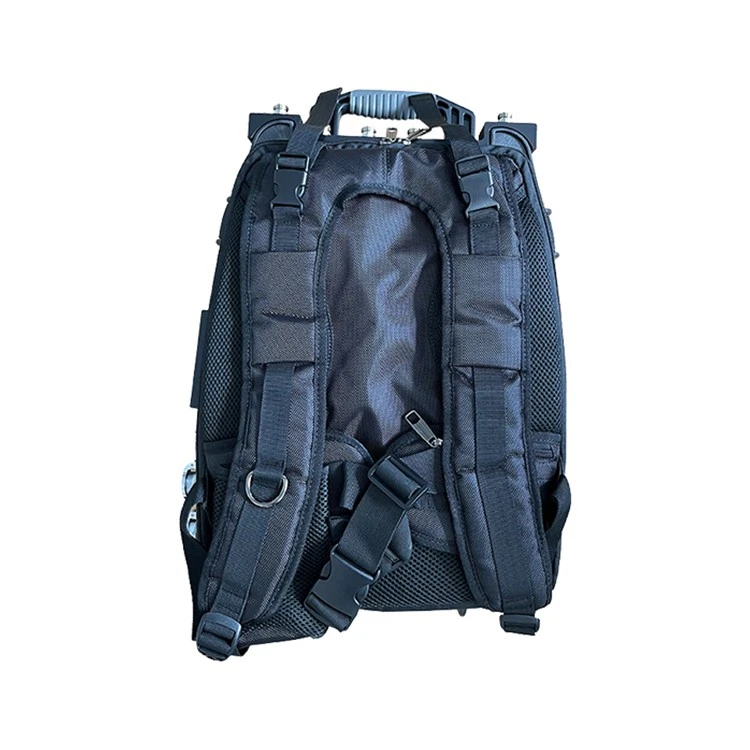
Now, as a supplier, I know that these interference issues can be a real pain. But we've been working hard to develop jammers that can handle these challenges. One of our products, the Individual Soldier 8 Antenna Backpack Portable Anti Drone System FPV, is designed to be more resistant to signal interference.
This jammer has eight antennas, which allows it to transmit signals in multiple directions and on multiple frequencies simultaneously. This increases the chances of the jammer being able to reach the drone's frequency bands, even in a noisy environment. The backpack design also makes it easy to carry around, so you can use it in different terrains and situations.
The advanced technology in this jammer helps it to adapt to different levels of interference. It can automatically adjust its power output and frequency bands based on the surrounding environment. So, whether you're in a crowded city or a remote rural area, this jammer can still do its job effectively.
But even with these advanced features, it's important to understand that signal interference can still have an impact. That's why it's crucial to choose the right location and time to use a portable drone jammer. If possible, try to use the jammer in an area with less electromagnetic and radio frequency interference. For example, you might want to avoid using it near large industrial areas or places with a high concentration of wireless devices.
Also, keep an eye on the weather conditions. If it's raining heavily or there's a lot of fog, it might be better to wait until the weather clears up before using the jammer. This can improve the jammer's performance and increase the chances of successfully blocking the drone's signals.
In conclusion, signal interference in the environment is a major factor that can affect the performance of a portable drone jammer. But with the right technology and some smart usage strategies, we can minimize these effects. Our Individual Soldier 8 Antenna Backpack Portable Anti Drone System FPV is a great option for those looking for a reliable and effective portable drone jammer.

If you're interested in learning more about our portable drone jammers or if you're looking to make a purchase, feel free to reach out. We're always happy to have a chat and discuss how our products can meet your specific needs. Whether you're a security professional, a military personnel, or just someone looking to protect your property from unauthorized drones, we've got the right solution for you.
References:
- "Electromagnetic Compatibility Engineering" by Henry W. Ott
- "Radio Frequency Electronics: Circuits and Applications" by Ludwig Chua and Steven A. Maas