

Hey there! I'm a supplier of anti - drone devices, and today I wanna talk about how the speed of a drone affects the performance of our anti - drone devices. It's a topic that's super important in our line of work, and I hope this blog can give you a better understanding of it.
First off, let's get a basic idea of drones and their speeds. Drones come in all shapes and sizes, and their speeds can vary widely. Some consumer drones are designed for casual flying and might have a top speed of around 30 - 40 miles per hour. On the other hand, there are high - performance racing drones that can zoom through the air at speeds over 100 miles per hour.
When it comes to anti - drone devices, the speed of the target drone matters a whole lot. One of the main ways anti - drone devices work is by jamming the drone's communication signals. Most drones rely on radio frequency (RF) signals to communicate with their controllers, and our anti - drone devices can disrupt these signals to take control or force the drone to land.
Now, let's think about a slow - moving drone. When a drone is flying at a low speed, it's much easier for our anti - drone devices to track and jam its signals. The slower speed gives our devices more time to lock onto the drone's frequency and send out the jamming signals. It's like trying to hit a stationary target compared to a moving one. For example, if a drone is hovering or flying at a leisurely pace, our Individual Soldier 8 Antenna Backpack Portable Anti Drone System FPV can quickly detect its signal and start jamming. This system is really handy for situations where you need a portable and effective solution.
But when the drone starts picking up speed, things get a bit more tricky. A fast - moving drone covers more ground in a shorter amount of time. This means that our anti - drone devices have less time to detect, track, and jam the drone's signals. The faster the drone, the more dynamic the situation becomes. It's like trying to catch a speeding bullet. The high - speed movement can cause the drone to quickly move in and out of the effective range of our anti - drone devices.
Another factor to consider is the Doppler effect. When a drone is moving at a high speed, the Doppler effect can change the frequency of the signals it emits. This change in frequency can make it harder for our anti - drone devices to accurately detect and jam the signals. The Doppler effect is similar to how the pitch of an ambulance siren changes as it moves towards or away from you. In the case of drones, the frequency shift can throw off our jamming systems if they're not designed to account for it.
Our anti - drone devices are equipped with advanced technology to deal with these challenges. For instance, they use high - speed processors and sophisticated algorithms to quickly adapt to the changing frequencies caused by the Doppler effect. These algorithms can analyze the incoming signals in real - time and adjust the jamming frequencies accordingly.
In addition to signal jamming, some of our anti - drone devices also use radar to detect and track drones. The speed of the drone affects the radar's performance as well. A fast - moving drone can be more difficult to accurately track on radar. The radar needs to be able to update its tracking information quickly enough to keep up with the drone's movement. If the radar can't keep up, it might lose track of the drone, and our anti - drone device won't be able to jam its signals effectively.
Now, let's talk about different scenarios where the speed of the drone can have a big impact. In a large open area, a fast - moving drone can cover a lot of ground quickly. This means that our anti - drone devices need to have a wide coverage area to be effective. If the device has a limited range, a high - speed drone can easily fly out of it before our device can jam its signals. On the other hand, in a more confined space like a building or a small compound, the speed of the drone might be restricted, making it easier for our devices to work.
We've also done a lot of testing to see how our anti - drone devices perform against drones of different speeds. In our tests, we've found that our devices can effectively jam slow - moving drones over 90% of the time. However, when it comes to high - speed drones, the success rate drops a bit, but it's still quite good, usually around 70 - 80%. This drop in success rate is mainly due to the challenges we've discussed earlier, like the Doppler effect and the short time available for detection and jamming.
When choosing an anti - drone device, it's important to consider the typical speeds of the drones in the area where you'll be using it. If you're in an area where high - speed racing drones are common, you'll need a more advanced anti - drone device with features like high - speed signal processing and wide - area coverage. On the other hand, if you're mainly dealing with slow - moving consumer drones, a more basic device might be sufficient.
We're constantly working on improving our anti - drone devices to better handle high - speed drones. Our R & D team is always looking for new ways to enhance the detection, tracking, and jamming capabilities of our products. We're also exploring new technologies, such as using multiple sensors in combination to improve the overall performance of our anti - drone systems.
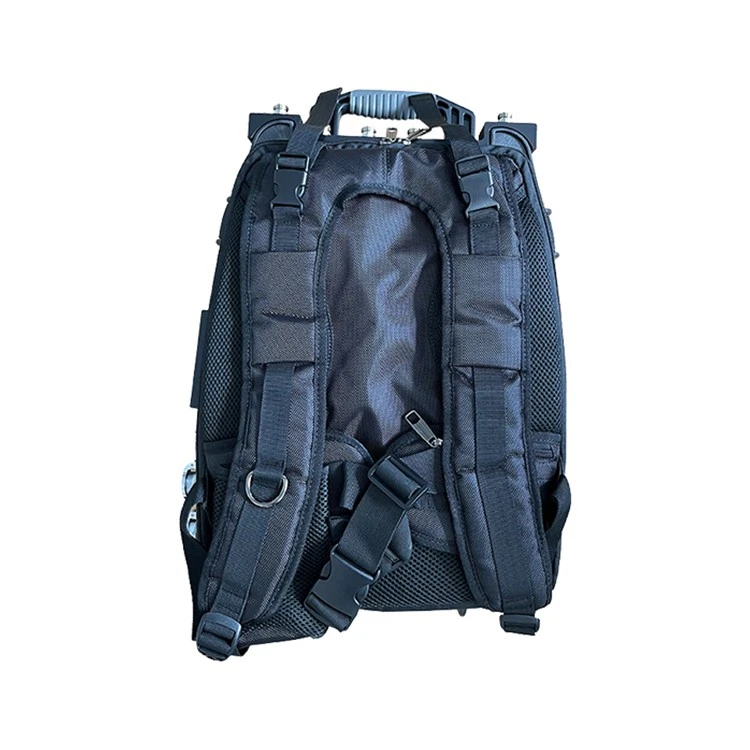

If you're in the market for an anti - drone device, whether it's for security at an event, protecting a private property, or for military use, we've got a range of products to meet your needs. Our devices are designed to be reliable and effective, no matter the speed of the drones you're dealing with.
If you're interested in learning more about our anti - drone devices or have any questions about how they perform against different - speed drones, don't hesitate to reach out. We're here to help you find the best solution for your anti - drone needs. Whether you're a security professional, a military personnel, or just someone looking to protect their property from unwanted drones, we can provide you with the right device and support.
In conclusion, the speed of a drone has a significant impact on the performance of anti - drone devices. But with the right technology and features, our anti - drone devices can still effectively deal with drones of different speeds. We're committed to staying at the forefront of anti - drone technology and providing our customers with the best products possible. So, if you're looking for an anti - drone solution, give us a shout, and let's have a chat about your requirements.
References
- Various industry reports on drone technology and anti - drone systems
- In - house research and development data on anti - drone device performance against different - speed drones