

In recent years, the rapid development and widespread use of drones have brought both convenience and challenges to various fields. When it comes to historical sites, these flying devices pose a significant threat to cultural heritage protection. As a supplier of anti - drone modules, I have witnessed firsthand the importance of these technologies in safeguarding our precious historical and cultural legacies.
Threats Posed by Drones to Historical Sites
Historical sites are repositories of a nation's history, culture, and identity. They attract countless visitors every year, both for their aesthetic and historical value. However, drones have emerged as an unexpected disruptor. Firstly, drones can cause physical damage to historical structures. The propellers of drones generate strong air currents that, over time, can erode delicate surfaces of ancient buildings, sculptures, and ruins. For example, in some well - preserved medieval castles, the constant hovering of drones near the walls has led to the loosening of mortar and the chipping of stone facades.
Secondly, drones can disrupt the ecological balance around historical sites. Many historical areas are also home to unique flora and fauna. The noise and sudden movements of drones can scare away birds, disturb nesting sites, and disrupt the natural behavior of other wildlife. This not only affects the biodiversity of the area but also the overall historical and cultural experience for visitors, as the natural environment is an integral part of the historical site's charm.
In addition, drones can violate the privacy and cultural dignity associated with historical sites. Some historical areas have religious or spiritual significance. The encroachment of drones into these spaces can be seen as an intrusion, disrespecting the cultural and religious beliefs of local communities. For instance, in ancient temples where traditional ceremonies are still performed, the presence of drones can be extremely offensive.
Role of Anti - Drone Modules in Cultural Heritage Protection
Anti - drone modules play a crucial role in addressing the above - mentioned threats. These modules are designed to detect, track, and neutralize unauthorized drones in a non - destructive and safe manner. By using advanced technologies such as radio frequency (RF) jamming, anti - drone modules can disrupt the communication between the drone and its operator. This effectively forces the drone to land safely or return to its starting point, preventing it from causing further damage to historical sites.
One of the key advantages of anti - drone modules is their ability to provide a non - physical and non - intrusive solution. Unlike other anti - drone methods such as using nets or guns, anti - drone modules do not pose any direct threat to the historical structures or the surrounding environment. They can be installed in a discreet manner, minimizing their visual impact on the historical site while still providing effective protection.
Moreover, anti - drone modules can be customized according to the specific needs of different historical sites. For example, in large - scale archaeological sites, a network of anti - drone modules can be deployed to cover a wide area. These modules can be integrated with existing security systems, such as surveillance cameras and access control systems, to provide a comprehensive security solution.
Our Anti - Drone Module Products
As a supplier of anti - drone modules, we offer a range of high - quality products that are specifically designed for cultural heritage protection. Our Digital 50W High Power FPV Jammer Module 400 - 500MHz 28V DC is a powerful device that can effectively jam the signals of drones operating in the 400 - 500MHz frequency range. With a high power output of 50W, it has a wide coverage area, making it suitable for large historical sites.
Another product in our portfolio is the Professional 50W RF Jammer Module No Digital Source 28V For FPV 500 - 650MHz. This module is designed to jam the radio frequency signals of drones without the need for a digital source. It is highly reliable and can operate in harsh environmental conditions, ensuring continuous protection for historical sites.
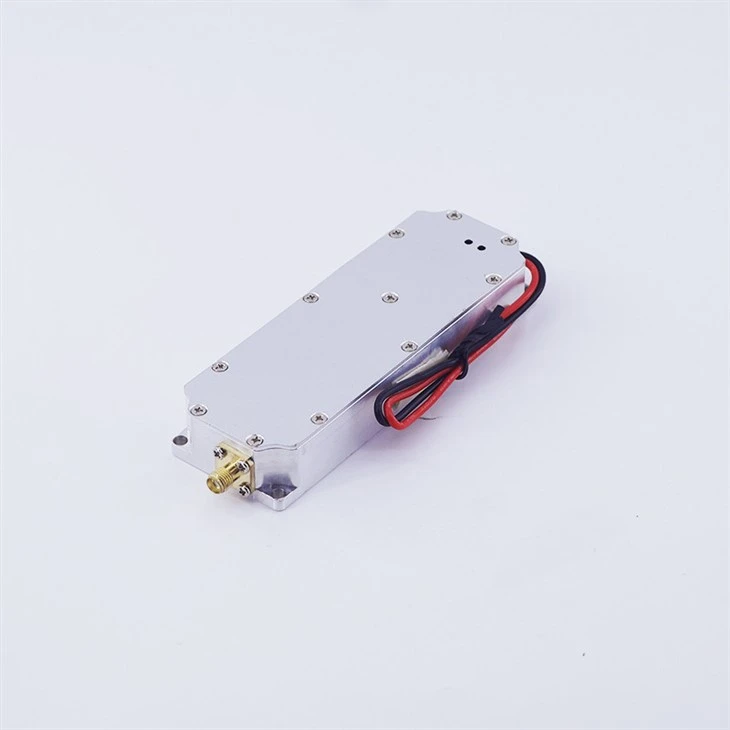
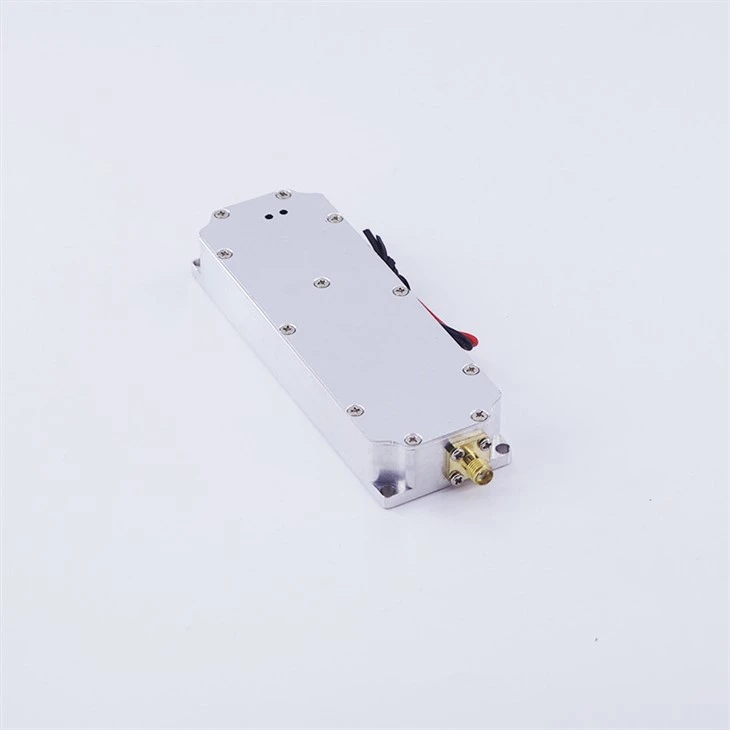
We also have the 40 Watts Power DDS Module110 - 1100MHz Anti Drone Jammer Digital Module FPV DJI. This module uses direct digital synthesis (DDS) technology, which allows for precise control of the jamming frequency. It can effectively counter a wide range of drones, including popular models from DJI, providing comprehensive protection for historical sites.
Installation and Maintenance of Anti - Drone Modules
Installing anti - drone modules at historical sites requires careful planning and consideration. Firstly, the location of the modules needs to be carefully selected to ensure maximum coverage while minimizing the visual impact on the historical site. The modules should be installed in areas that are not easily accessible to the public to prevent tampering.
Maintenance is also an important aspect of ensuring the long - term effectiveness of anti - drone modules. Regular inspections should be carried out to check the functionality of the modules, the integrity of the power supply, and the condition of the antennas. Software updates should be installed in a timely manner to ensure that the modules can adapt to the latest drone technologies.
Future Trends in Anti - Drone Technology for Cultural Heritage Protection
The field of anti - drone technology is constantly evolving, and there are several future trends that will further enhance the protection of cultural heritage. One trend is the development of more intelligent anti - drone modules. These modules will be able to distinguish between authorized and unauthorized drones based on their flight patterns, communication signals, and other characteristics. This will reduce false alarms and improve the efficiency of the anti - drone system.
Another trend is the integration of anti - drone technology with artificial intelligence (AI) and machine learning. AI - powered anti - drone systems can analyze large amounts of data in real - time, predict the behavior of drones, and take proactive measures to neutralize them. This will provide a more advanced and comprehensive level of protection for historical sites.
In addition, the miniaturization of anti - drone modules is also an important trend. Smaller and more portable modules can be easily deployed in different locations around historical sites, providing more flexible and effective protection.
Conclusion
In conclusion, the use of anti - drone modules is essential for the cultural heritage protection of historical sites. These modules can effectively address the threats posed by drones, including physical damage, ecological disruption, and privacy violations. As a supplier of anti - drone modules, we are committed to providing high - quality products and services to ensure the long - term protection of our precious cultural heritage.
If you are interested in our anti - drone module products or have any questions regarding cultural heritage protection, please feel free to contact us for further discussion and procurement negotiation. We look forward to working with you to safeguard our historical and cultural legacies.
References
- "The Impact of Drones on Historical and Cultural Heritage Sites" - Journal of Cultural Heritage Protection
- "Anti - Drone Technologies: A Review" - International Journal of Security Technology
- "Cultural Heritage and the Digital Age" - UNESCO Publications