

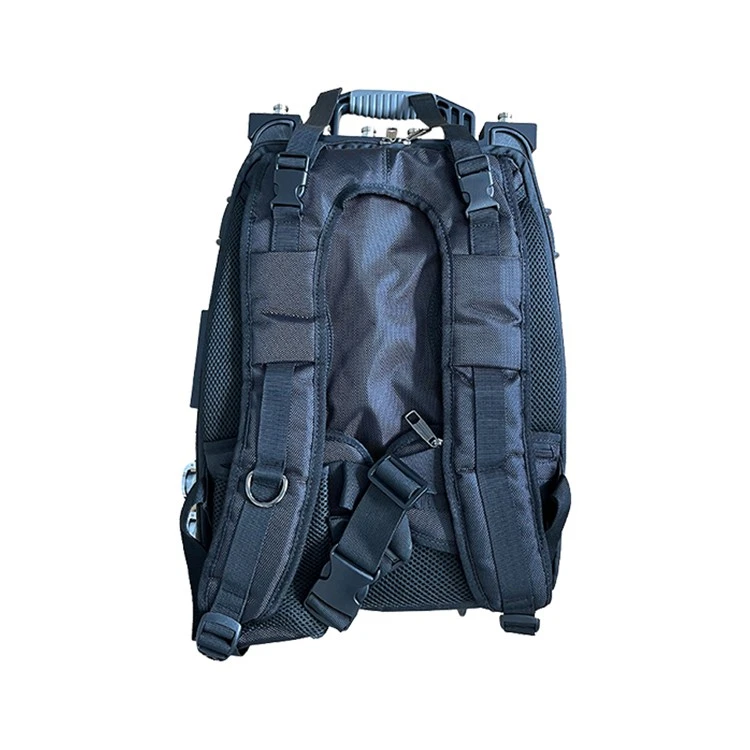
As a supplier of portable drone jammers, I often encounter inquiries from customers around the world regarding the legal implications of using these devices. The legality of portable drone jammers varies significantly from one country to another, and it's crucial for potential buyers to understand these regulations before making a purchase. In this blog post, I'll explore the legal restrictions on using portable drone jammers in different countries and provide some insights for those interested in our Individual Soldier 8 Antenna Backpack Portable Anti Drone System FPV.
United States
In the United States, the use of drone jammers is generally prohibited by federal law. The Federal Communications Commission (FCC) regulates the use of radio frequency (RF) devices, and jamming signals is considered illegal under Section 333 of the Communications Act of 1934. This law makes it a crime to willfully interfere with the radio communications of any station licensed or authorized by the FCC, including drones.
However, there are some exceptions for certain government agencies. The Department of Homeland Security (DHS), the Department of Defense (DOD), and other authorized federal entities may use drone jammers under specific circumstances to protect national security and critical infrastructure. Private individuals and businesses are not permitted to use drone jammers without proper authorization.

United Kingdom
In the United Kingdom, the use of drone jammers is also restricted. The Office of Communications (Ofcom) is responsible for regulating the use of RF devices, and jamming signals is generally prohibited under the Wireless Telegraphy Act 2006. However, there are some exceptions for certain authorized users, such as the police and military, who may use drone jammers to prevent drones from interfering with public safety operations.
Private individuals and businesses in the UK are not allowed to use drone jammers without obtaining a license from Ofcom. The process of obtaining a license can be complex and requires a valid reason for using the device, such as protecting a high-security event or a critical infrastructure site.
Australia
In Australia, the use of drone jammers is regulated by the Australian Communications and Media Authority (ACMA). Jamming signals is generally prohibited under the Radiocommunications Act 1992, except in certain circumstances where it is authorized by the ACMA.
The ACMA may issue a license to use a drone jammer for specific purposes, such as protecting national security, preventing interference with emergency services, or conducting research and development. Private individuals and businesses must apply for a license from the ACMA and demonstrate a legitimate need for using the device.
Canada
In Canada, the use of drone jammers is restricted by the Canadian Radio-television and Telecommunications Commission (CRTC). Jamming signals is generally prohibited under the Radiocommunication Act, except in certain circumstances where it is authorized by the CRTC.
The CRTC may issue a license to use a drone jammer for specific purposes, such as protecting national security, preventing interference with critical infrastructure, or conducting law enforcement operations. Private individuals and businesses must apply for a license from the CRTC and provide detailed information about the intended use of the device.
Other Countries
The legal restrictions on using portable drone jammers vary widely in other countries. Some countries have strict regulations that prohibit the use of drone jammers altogether, while others have more lenient policies that allow for limited use under certain conditions.
For example, in some European countries, such as Germany and France, the use of drone jammers is generally prohibited, but there are exceptions for certain government agencies and security forces. In other countries, such as Russia and China, the use of drone jammers is more widespread, but it is still regulated by the government.
Considerations for Potential Buyers
If you're considering purchasing a portable drone jammer, it's essential to understand the legal restrictions in your country and comply with all applicable laws and regulations. Here are some key considerations to keep in mind:
- Research the Laws: Before making a purchase, research the legal restrictions on using drone jammers in your country. Contact your local regulatory authority or consult with a legal expert to ensure that you understand the laws and regulations that apply to your situation.
- Obtain Proper Authorization: If the use of drone jammers is permitted in your country, you may need to obtain proper authorization or a license from the relevant regulatory authority. Follow the application process carefully and provide all the necessary information and documentation.
- Use the Device Responsibly: Even if you have obtained the necessary authorization to use a drone jammer, it's important to use the device responsibly and in accordance with the law. Avoid using the device in a way that could cause interference with other radio communications or violate the privacy rights of others.
- Choose a Reliable Supplier: When purchasing a portable drone jammer, choose a reliable supplier that offers high-quality products and provides accurate information about the legal restrictions and proper use of the device. Our company is a leading supplier of portable drone jammers, and we are committed to providing our customers with the best products and services.
Conclusion
The legal restrictions on using portable drone jammers vary significantly from one country to another, and it's crucial for potential buyers to understand these regulations before making a purchase. As a supplier of portable drone jammers, we are committed to providing our customers with accurate information about the legal implications of using these devices and helping them make informed decisions.
If you're interested in our Individual Soldier 8 Antenna Backpack Portable Anti Drone System FPV or have any questions about the legal restrictions on using portable drone jammers in your country, please don't hesitate to contact us. We'll be happy to assist you and provide you with the information you need to make a purchase.
References
- Federal Communications Commission (FCC), USA
- Office of Communications (Ofcom), UK
- Australian Communications and Media Authority (ACMA), Australia
- Canadian Radio-television and Telecommunications Commission (CRTC), Canada