

In recent years, the rapid development and widespread use of drones have brought about numerous benefits in various fields, such as aerial photography, logistics, and agriculture. However, they also pose significant threats in certain scenarios, including privacy invasion, security breaches at sensitive sites, and interference with critical events. As a backpack anti-drone supplier, we are committed to providing effective solutions to counter these threats. In this blog, we will explore the power sources for backpack anti-drones, which are crucial for their performance and portability.
Importance of Power Sources in Backpack Anti-Drones
Backpack anti-drones are designed to be portable and easy to deploy in different environments. The power source is a key factor that determines their operational time, range, and overall effectiveness. A reliable and long - lasting power source ensures that the anti - drone system can function continuously during critical operations, whether it's protecting a large - scale event or securing a sensitive facility.
Types of Power Sources for Backpack Anti-Drones
Rechargeable Batteries
Rechargeable batteries are the most common power source for backpack anti - drones. They offer several advantages, including portability, ease of use, and the ability to be recharged multiple times. Lithium - ion batteries, in particular, are widely used due to their high energy density, long cycle life, and relatively low self - discharge rate.
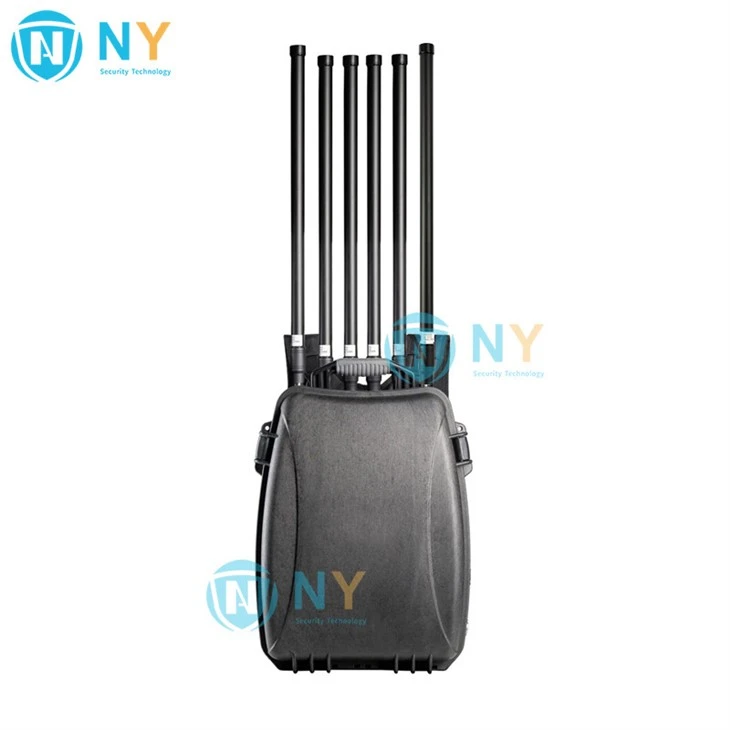
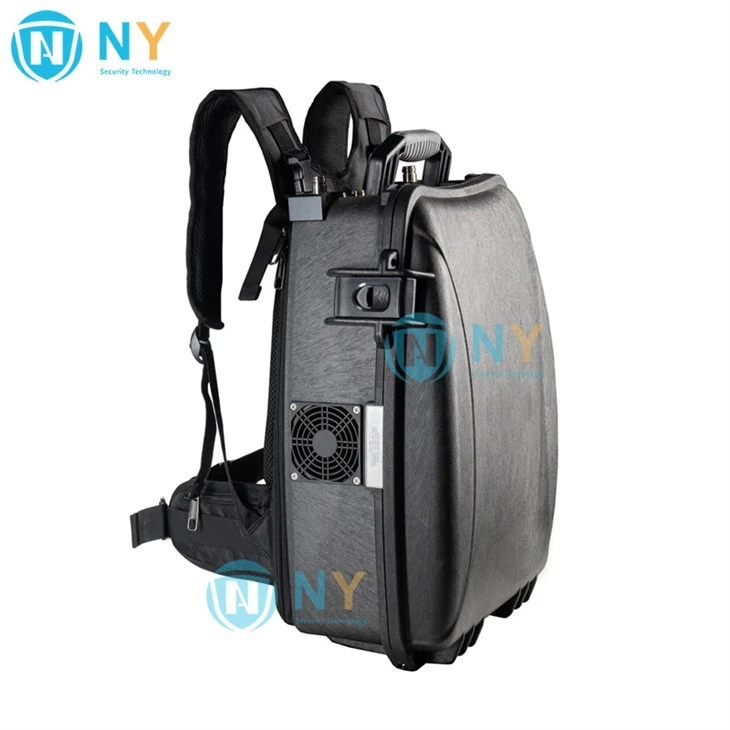
Lithium - ion batteries can provide sufficient power to operate the anti - drone jamming equipment for a reasonable amount of time. For example, our Mn-6 Latest 6 Channels Manpack Anti Drone Jammer With Long Distance Jamming Range GPS Fpv Drone Defense System Low Frequency Signal Blocker is powered by high - quality lithium - ion batteries, which can support continuous operation for several hours depending on the jamming mode and power settings.
One of the challenges with rechargeable batteries is the need for a charging infrastructure. In field operations, access to a power outlet may be limited. To address this issue, some backpack anti - drones are equipped with solar charging panels. Solar charging provides a sustainable and independent power source, allowing the anti - drone system to recharge during the day, even in remote locations.
Fuel Cells
Fuel cells are another potential power source for backpack anti - drones. They work by converting chemical energy from a fuel, such as hydrogen, into electrical energy through an electrochemical reaction. Fuel cells offer high energy density and can provide continuous power for extended periods.
Compared to rechargeable batteries, fuel cells can be refueled more quickly, which is an advantage in situations where downtime needs to be minimized. However, the use of fuel cells also has some limitations. The storage and transportation of fuel can be challenging, especially in terms of safety. Additionally, fuel cells are relatively expensive, which may increase the overall cost of the backpack anti - drone system.
External Power Packs
External power packs are a flexible option for powering backpack anti - drones. These power packs can be carried separately and connected to the anti - drone system as needed. They come in various capacities and can be charged using different methods, such as USB ports or AC adapters.
External power packs are useful when the built - in battery of the anti - drone system runs out of power or when longer operation times are required. Our 8 Antenna Backpack Portable Anti Drone System FPV can be easily connected to an external power pack to extend its operational time. This flexibility allows operators to adapt to different mission requirements and environments.
Considerations for Choosing a Power Source
When choosing a power source for a backpack anti - drone, several factors need to be considered:
Power Requirements
The power requirements of the anti - drone system depend on its jamming capabilities, including the number of frequency bands it can jam, the jamming range, and the power output. Higher - power anti - drones will require more energy, which may limit the choice of power sources. For example, a system that can jam multiple frequency bands simultaneously at a long range will need a more powerful and high - capacity power source.
Portability
Since backpack anti - drones are designed to be carried by operators, the weight and size of the power source are important considerations. Rechargeable batteries are generally more portable than fuel cells, as they do not require additional fuel storage and handling equipment. However, larger battery packs may add significant weight to the backpack, which can affect the operator's mobility.
Operational Environment
The operational environment also plays a role in power source selection. In hot and humid environments, the performance of rechargeable batteries may be affected, and the risk of overheating increases. In cold environments, the battery capacity may decrease, reducing the operational time of the anti - drone system. Fuel cells may be more suitable for extreme environments, as they are less affected by temperature changes.
Cost
Cost is another important factor. Rechargeable batteries are generally more cost - effective in the long run, as they can be recharged multiple times. Fuel cells, on the other hand, are more expensive to purchase and maintain. External power packs are a relatively affordable option, but their capacity and performance may vary.
Our Backpack Anti - Drone Products and Their Power Sources
As a leading backpack anti - drone supplier, we offer a range of products with different power sources to meet the diverse needs of our customers.
Our Mn6 Channel Green Anti Drone Jammer Backpack Built-in Battery Portable Drone Jammer System Blocker 433MHz 915MHz 1.5g 2.4G 5.2g 5.8g is equipped with a high - capacity lithium - ion battery. This battery provides sufficient power to jam multiple frequency bands, ensuring effective protection against a wide range of drones. The built - in battery design makes the system more compact and portable, suitable for quick deployment in various scenarios.
The Mn-6 Latest 6 Channels Manpack Anti Drone Jammer also features advanced battery technology. It is designed to provide long - distance jamming capabilities, and the power management system ensures efficient use of battery power, maximizing the operational time.
For customers who require extended operation times, our 8 Antenna Backpack Portable Anti Drone System FPV can be used in combination with external power packs. This allows operators to customize the power supply according to the mission requirements, providing greater flexibility and reliability.
Conclusion
The power source is a critical component of backpack anti - drones, affecting their performance, portability, and operational time. Rechargeable batteries, fuel cells, and external power packs each have their own advantages and limitations. When choosing a power source, factors such as power requirements, portability, operational environment, and cost need to be carefully considered.
As a backpack anti - drone supplier, we are dedicated to providing high - quality products with reliable power sources. Our products are designed to meet the needs of different customers, whether it's for military, law enforcement, or private security applications. If you are interested in our backpack anti - drone products or have any questions about power sources and anti - drone technology, please feel free to contact us for procurement and further discussions.
References
- [1] "Drone Countermeasures: Technologies and Challenges," Journal of Homeland Security and Emergency Management
- [2] "Power Sources for Portable Electronic Devices," IEEE Transactions on Power Electronics