

Hey there! As a supplier of anti-drone devices, I often get asked about the detection angle of these gadgets. It's a crucial factor that can make or break the effectiveness of an anti-drone system. So, let's dive right in and explore what the detection angle of anti-drone devices really means.
First off, what is the detection angle? Simply put, it's the range within which an anti-drone device can detect an incoming drone. Think of it like the field of vision of a security guard. The wider the field of vision, the more ground the guard can cover, and the better they can spot any potential threats. Similarly, a wider detection angle means the anti-drone device can monitor a larger area, increasing the chances of detecting a drone before it causes any trouble.
Now, there are different types of anti-drone devices, and each one has its own unique detection angle. Some use radar technology, while others rely on acoustic sensors, radio frequency (RF) detectors, or even optical cameras. Let's take a closer look at each of these technologies and how their detection angles work.
Radar-based Anti-drone Devices
Radar is one of the most common technologies used in anti-drone systems. It works by sending out radio waves and then analyzing the reflections to detect the presence of an object. The detection angle of a radar-based anti-drone device depends on the design of the radar antenna.

Some radar antennas have a narrow beamwidth, which means they have a relatively small detection angle. These are often used in situations where you need to focus on a specific area, like protecting a small building or a critical infrastructure site. On the other hand, there are wide-beam radar antennas that can cover a much larger area. They're great for protecting large open spaces, such as airports or military bases.
However, it's important to note that a wider detection angle doesn't always mean better performance. A wide-beam radar may pick up more false alarms because it's monitoring a larger area. So, you need to find the right balance between the detection angle and the level of accuracy you need.
Acoustic Sensor-based Anti-drone Devices
Acoustic sensors work by picking up the sound made by a drone's motors. They're relatively inexpensive and easy to install, but their detection angle is usually limited. The sound of a drone can be easily blocked by obstacles, such as buildings or trees, so acoustic sensors are most effective in open areas with few obstructions.
Typically, an acoustic sensor has a detection angle of around 180 degrees. This means it can detect drones coming from the front and the sides, but it may miss drones approaching from behind. To overcome this limitation, you can install multiple acoustic sensors in different locations to create a more comprehensive detection network.
Radio Frequency (RF) Detector-based Anti-drone Devices
RF detectors work by detecting the radio signals emitted by a drone and its controller. They're very effective at detecting drones, especially those that are being controlled remotely. The detection angle of an RF detector depends on the strength of the radio signal and the sensitivity of the detector.
In general, RF detectors have a wide detection angle, often up to 360 degrees. This means they can detect drones coming from any direction. However, the range of an RF detector can be affected by factors such as the type of radio signal used by the drone, the presence of other radio sources in the area, and the terrain.
Optical Camera-based Anti-drone Devices
Optical cameras are another popular choice for anti-drone systems. They can provide visual confirmation of a drone's presence, which is very useful for security personnel. The detection angle of an optical camera depends on the field of view of the lens.
Most optical cameras used in anti-drone systems have a field of view of around 60 to 90 degrees. This means they can cover a relatively small area, but they can provide high-resolution images of the drone. To cover a larger area, you can install multiple cameras in different locations or use a pan-tilt-zoom (PTZ) camera that can be adjusted to change the field of view.
So, how do you choose the right anti-drone device based on the detection angle? Well, it depends on your specific needs and the environment in which the device will be used. If you're protecting a small area, a device with a narrow detection angle may be sufficient. But if you need to cover a large open space, you'll want a device with a wider detection angle.
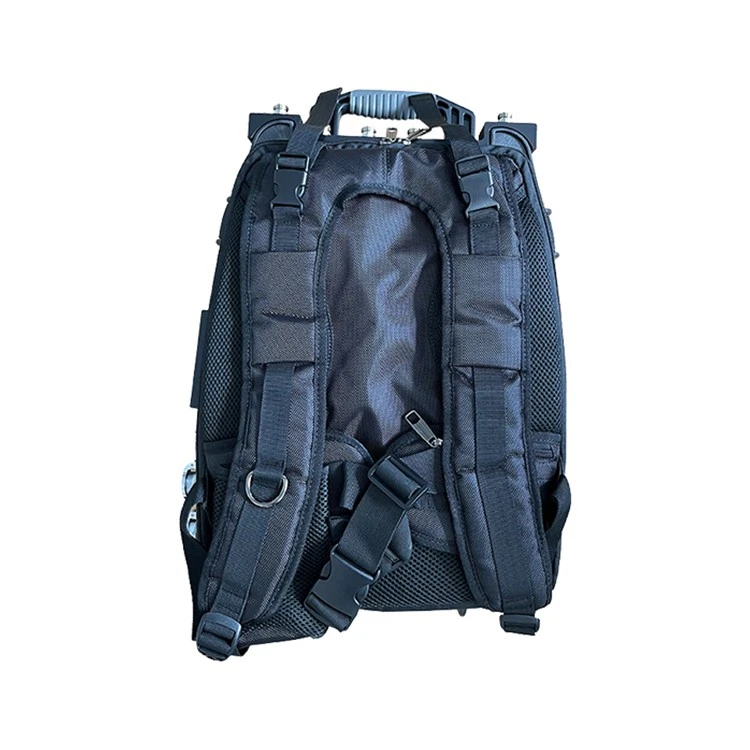
For example, if you're looking for a portable anti-drone system that can be easily carried by an individual soldier, you might be interested in our Individual Soldier 8 Antenna Backpack Portable Anti Drone System FPV. This system has a wide detection angle and is designed to be used in a variety of environments.
In addition to the detection angle, there are other factors you need to consider when choosing an anti-drone device. These include the range of detection, the level of accuracy, the response time, and the cost. You also need to make sure the device is compliant with local laws and regulations regarding the use of anti-drone technology.
If you're still not sure which anti-drone device is right for you, don't hesitate to contact us. Our team of experts can help you evaluate your needs and recommend the best solution for your situation. Whether you're a military organization, a security company, or a private individual, we have the expertise and the products to keep you safe from unwanted drones.
In conclusion, the detection angle of an anti-drone device is an important factor that can significantly impact its performance. By understanding how different technologies work and their respective detection angles, you can make an informed decision when choosing an anti-drone system. So, take the time to evaluate your needs and choose the device that's right for you. And if you have any questions or need further information, just reach out to us. We're here to help!
References
- "Anti-Drone Technology: A Comprehensive Guide." DroneDefenders.com
- "Radar Basics." National Oceanic and Atmospheric Administration (NOAA)
- "Acoustic Detection of Unmanned Aerial Vehicles." Journal of Sound and Vibration