

A signal jammer is a device designed to block or interfere with the reception of signals by creating a strong electromagnetic field that disrupts the normal operation of communication devices within its range. As a reputable signal jammer supplier, I often receive inquiries about the typical range of these devices. In this blog post, I will delve into the factors that influence the range of a signal jammer and provide insights into the typical ranges you can expect.
Factors Affecting the Range of a Signal Jammer
Several factors play a crucial role in determining the effective range of a signal jammer. Understanding these factors is essential for selecting the right device for your specific needs.
1. Transmitting Power
The transmitting power of a signal jammer is one of the most significant factors affecting its range. Generally, the higher the power output of the jammer, the greater its range. Signal jammers are available in a wide range of power levels, from a few milliwatts to several watts. High-power jammers can cover larger areas, making them suitable for use in large buildings, outdoor venues, or industrial facilities.
For example, a low-power signal jammer with an output of around 100mW may have a range of up to 10 - 20 meters in an open area. On the other hand, a high-power jammer with an output of 5 - 10 watts can cover a range of up to 100 meters or more, depending on other factors such as the environment and the strength of the existing signal.
2. Frequency Bands
Signal jammers are designed to block specific frequency bands used by different types of communication devices, such as mobile phones, Wi - Fi routers, and GPS systems. The range of a jammer can vary depending on the frequency bands it targets. Some frequency bands are more easily blocked than others, and the strength of the existing signal in these bands also affects the jammer's effectiveness.
For instance, lower frequency bands (e.g., 800 - 900 MHz) are generally easier to block than higher frequency bands (e.g., 2.4 - 5 GHz). This is because lower frequency signals have longer wavelengths and can penetrate obstacles more easily, but they also experience less attenuation in the atmosphere. As a result, a jammer targeting lower frequency bands may have a longer range compared to one targeting higher frequency bands.
3. Environmental Conditions
The environment in which the signal jammer is used has a significant impact on its range. Obstacles such as walls, buildings, trees, and metal structures can absorb or reflect the jammer's signal, reducing its effectiveness and range. In an open area with no obstacles, a signal jammer can achieve its maximum range. However, in a densely populated urban area or a building with thick walls, the range may be significantly reduced.
For example, in a concrete - walled building, the range of a signal jammer may be reduced to half or even less of its open - area range. Additionally, the presence of other electronic devices or sources of electromagnetic interference can also affect the performance of the jammer.

4. Antenna Design
The design and quality of the antenna used in a signal jammer are crucial for determining its range and effectiveness. A well - designed antenna can focus the jammer's signal in a specific direction, increasing its range and coverage. Antennas come in different types, such as omnidirectional and directional antennas.
Omnidirectional antennas radiate the jammer's signal in all directions, providing a 360 - degree coverage area. They are suitable for use in situations where you need to block signals in a large, open area. Directional antennas, on the other hand, focus the signal in a specific direction, allowing for a longer range in that direction. They are ideal for use in situations where you need to block signals in a specific area, such as a particular room or a corridor.
Typical Ranges of Signal Jammers
Based on the factors mentioned above, here are some typical ranges for different types of signal jammers:
Low - Power Signal Jammers
Low - power signal jammers are usually designed for personal use or small - scale applications. They typically have an output power of less than 500mW and are suitable for blocking signals in a small area, such as a single room or a car.
- Mobile Phone Jammers: A low - power mobile phone jammer with an output of around 100 - 200mW can block mobile phone signals within a range of 5 - 20 meters in an open area. In a building, the range may be reduced to 2 - 10 meters, depending on the thickness of the walls.
- Wi - Fi Jammers: Low - power Wi - Fi jammers with an output of around 200 - 300mW can block Wi - Fi signals within a range of 10 - 30 meters in an open area. In a building, the range may be reduced to 5 - 15 meters.
Medium - Power Signal Jammers
Medium - power signal jammers have an output power of between 500mW and 2 watts. They are suitable for use in medium - sized areas, such as small offices, classrooms, or conference rooms.
- Mobile Phone Jammers: A medium - power mobile phone jammer with an output of around 1 watt can block mobile phone signals within a range of 20 - 50 meters in an open area. In a building, the range may be reduced to 10 - 30 meters.
- Wi - Fi and GPS Jammers: Medium - power jammers that can block both Wi - Fi and GPS signals with an output of around 1.5 watts can have a range of 30 - 60 meters in an open area. In a building, the range may be reduced to 15 - 30 meters.
High - Power Signal Jammers
High - power signal jammers have an output power of more than 2 watts and are suitable for use in large areas, such as stadiums, factories, or military installations.
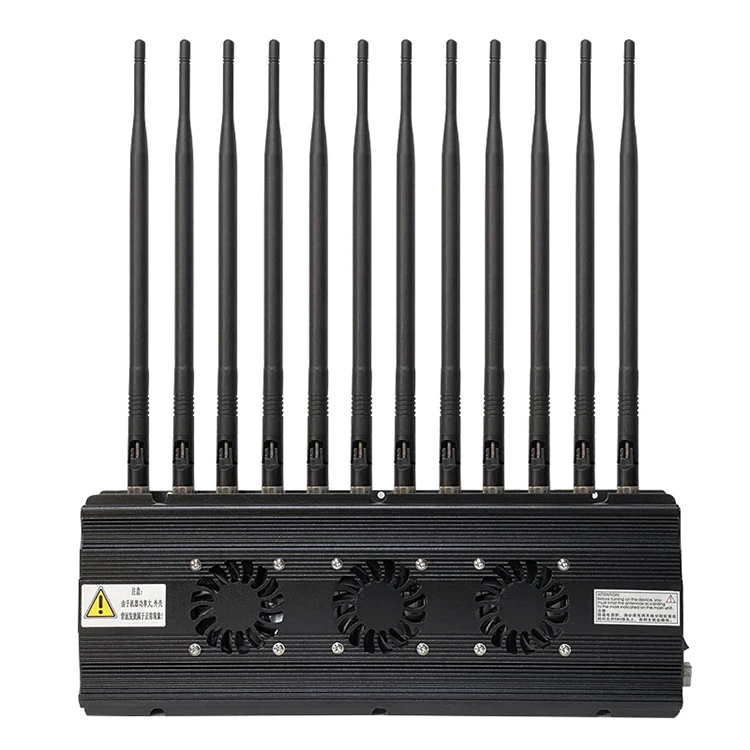
- Mobile Phone Jammers: High - power mobile phone jammers with an output of 5 - 10 watts can block mobile phone signals within a range of 50 - 100 meters or more in an open area. In a building, the range may be reduced to 20 - 50 meters. For more information on high - power mobile phone jammers, you can check out our Mobile Phone Signal Jammer High Power 12 Antennas High Power Phone Signal Jammer and Mobile Phone Signal Jammer High Power 8 Antennas High Power Phone Signal Jammer.
Conclusion
The range of a typical signal jammer can vary widely depending on several factors, including transmitting power, frequency bands, environmental conditions, and antenna design. When choosing a signal jammer, it is important to consider your specific needs and the environment in which it will be used.
If you are looking for a signal jammer for your specific application, we are here to help. As a professional signal jammer supplier, we offer a wide range of high - quality signal jammers with different power levels and frequency bands to meet your requirements. Whether you need a low - power jammer for personal use or a high - power jammer for a large - scale application, we can provide you with the right solution. Contact us today to discuss your needs and start the procurement process.
References
- "Electromagnetic Compatibility Engineering" by Henry W. Ott.
- "RF and Microwave Wireless Systems" by David M. Pozar.