

Hey there! I'm a supplier of portable drone jammers, and I know how crucial it is to use these devices safely. Portable drone jammers are super handy for keeping unwanted drones out of restricted areas, but like any piece of tech, they need to be used with care. So, let's dive into the safety precautions you should take when using a portable drone jammer.
1. Know the Laws and Regulations
First things first, you've got to be aware of the laws and regulations regarding the use of drone jammers in your area. In many places, it's illegal to use a drone jammer without proper authorization. These laws exist to protect the legitimate use of radio frequencies and to prevent interference with other important systems like aviation and emergency services.
For example, in the United States, the Federal Communications Commission (FCC) strictly regulates the use of jamming devices. Using a drone jammer without permission can land you in some serious legal trouble, including hefty fines and even imprisonment. So, before you even think about using a jammer, do your research and make sure you're on the right side of the law. You can check with your local government agencies or legal experts to get the lowdown on the rules in your area.
2. Choose the Right Jammer for the Job
Not all drone jammers are created equal. There are different types of jammers available, each with its own range, frequency bands, and power output. When selecting a portable drone jammer, you need to consider the specific requirements of your situation.
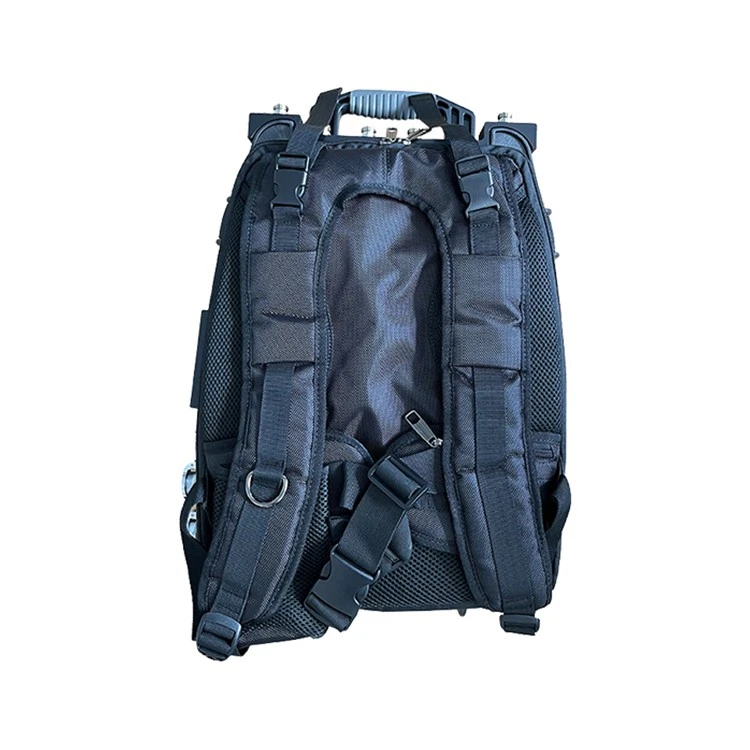
If you're dealing with small drones in a relatively small area, a low-power jammer might be sufficient. On the other hand, if you need to protect a large perimeter or deal with more sophisticated drones, you'll probably need a more powerful jammer. For instance, our Individual Soldier 8 Antenna Backpack Portable Anti Drone System FPV is designed for military and security applications, offering a wide range of frequency bands and high power output to effectively jam drones at a considerable distance.
3. Read the User Manual
I know it sounds like a no-brainer, but you'd be surprised how many people skip the user manual. The user manual is your best friend when it comes to using a portable drone jammer safely and effectively. It contains important information about how to operate the jammer, how to maintain it, and what safety precautions to take.
The manual will tell you things like how to properly turn the jammer on and off, how to adjust the settings, and how to handle any potential malfunctions. It will also provide guidance on battery safety, as many portable jammers are battery-powered. Make sure you read the manual thoroughly before using the jammer, and keep it handy in case you need to refer to it later.
4. Wear Appropriate Safety Gear
When using a portable drone jammer, it's important to wear appropriate safety gear. This includes things like safety glasses, gloves, and ear protection. Safety glasses will protect your eyes from any potential debris or reflections, especially if you're using the jammer in an outdoor environment. Gloves will help protect your hands from any sharp edges or hot surfaces on the jammer.
Ear protection is also crucial, especially if the jammer produces a lot of noise. Some high-power jammers can be quite loud, and prolonged exposure to loud noise can cause hearing damage. So, make sure you wear earplugs or earmuffs to protect your ears.
5. Avoid Using the Jammer Near Sensitive Equipment
Portable drone jammers work by emitting radio frequency signals to disrupt the communication between the drone and its operator. These signals can also interfere with other electronic devices, especially those that operate on the same or similar frequency bands.
So, you need to be careful when using the jammer near sensitive equipment such as medical devices, aviation equipment, and emergency communication systems. Using the jammer in close proximity to these devices can cause them to malfunction, which can have serious consequences. Make sure you keep a safe distance between the jammer and any sensitive equipment, and always check the area for any potential sources of interference before using the jammer.
6. Be Mindful of the Range and Direction
When using a portable drone jammer, you need to be mindful of its range and direction. The range of the jammer determines how far it can effectively jam a drone, and the direction determines where the jamming signals are being sent.
You don't want to accidentally jam a drone that's outside of the restricted area or interfere with legitimate drone operations. So, make sure you aim the jammer in the right direction and adjust the range settings as needed. You can use the built-in controls on the jammer to adjust the range and direction, or you can use external tools such as a compass or a laser pointer to help you aim.
7. Keep the Jammer in Good Condition
Regular maintenance is essential for keeping your portable drone jammer in good condition. This includes things like cleaning the jammer, checking the battery, and inspecting the antenna for any damage.
Cleaning the jammer regularly will help prevent dust and debris from building up, which can affect its performance. You can use a soft cloth and a mild cleaning solution to clean the exterior of the jammer. Checking the battery is also important, as a weak or damaged battery can cause the jammer to malfunction. Make sure you follow the manufacturer's instructions for charging and storing the battery.
Inspecting the antenna for any damage is crucial, as a damaged antenna can reduce the effectiveness of the jammer. Look for any signs of wear and tear, such as cracks or frayed wires, and replace the antenna if necessary.

8. Train Your Staff
If you're using the portable drone jammer in a professional setting, it's important to train your staff on how to use it safely and effectively. This includes providing them with proper training on the laws and regulations regarding the use of drone jammers, as well as hands-on training on how to operate the jammer.
Training your staff will help ensure that they know how to use the jammer correctly and that they understand the importance of following the safety precautions. It will also help them handle any potential emergencies or malfunctions that may occur while using the jammer.
9. Have a Backup Plan
Even if you take all the necessary safety precautions, things can still go wrong. That's why it's important to have a backup plan in place. This could include having a spare jammer on hand, as well as a plan for dealing with any potential legal issues or emergencies.
If the jammer malfunctions or runs out of battery, you'll need to have a way to continue protecting the area from unwanted drones. Having a spare jammer will ensure that you can quickly replace the malfunctioning one and resume the jamming operation. You should also have a plan for dealing with any legal issues that may arise, such as if you accidentally jam a drone that's not supposed to be jammed.
10. Keep Records
Finally, it's important to keep records of your drone jamming activities. This includes things like the date and time of use, the location, the type of drone being jammed, and any issues or malfunctions that occurred.
Keeping records will help you track your usage of the jammer and ensure that you're using it in compliance with the laws and regulations. It will also provide valuable information in case of any legal disputes or investigations. You can use a simple logbook or a digital spreadsheet to keep track of your records.
In conclusion, using a portable drone jammer safely requires a combination of knowledge, preparation, and caution. By following these safety precautions, you can ensure that you're using the jammer effectively while minimizing the risk of any potential harm or interference.
If you're interested in purchasing a portable drone jammer or have any questions about our products, feel free to reach out to us for a consultation. We're here to help you find the right solution for your needs and ensure that you're using it safely and effectively.
References
- Federal Communications Commission (FCC) regulations on jamming devices
- Manufacturer's user manuals for portable drone jammers
- Industry standards and best practices for using drone jammers