

In recent years, the proliferation of drones has brought about a series of security challenges across various sectors, including water treatment facilities. As a leading supplier of anti - drone devices, I am often asked whether our products can be effectively used to safeguard these critical infrastructure sites. In this blog post, I will delve into the feasibility and importance of using anti - drone devices for water treatment facilities.
The Threat Posed by Drones to Water Treatment Facilities
Water treatment facilities are vital for ensuring the supply of clean and safe water to communities. Any disruption to their normal operations can have severe consequences for public health and the environment. Drones, on the other hand, have become increasingly accessible and can be misused in several ways that pose risks to these facilities:
- Surveillance and Espionage: Malicious actors could use drones to conduct unauthorized surveillance of water treatment plants. They might gather sensitive information about the facility's layout, security measures, and operational procedures. This information could then be used for criminal activities such as sabotage or theft of valuable resources.
- Contamination Risks: Drones can potentially carry harmful substances and release them into the water sources or treatment processes. For example, they could drop chemicals or biological agents, leading to water contamination and endangering the health of consumers.
- Interference with Operations: Drones flying in the vicinity of water treatment facilities can interfere with the normal operation of equipment. Their electromagnetic signals may disrupt the communication systems, control panels, or sensors used in the treatment processes, causing malfunctions and operational disruptions.
How Anti - Drone Devices Work
Anti - drone devices are designed to detect, track, and neutralize unauthorized drones. There are several types of anti - drone technologies available, each with its own working principle and application scenarios:
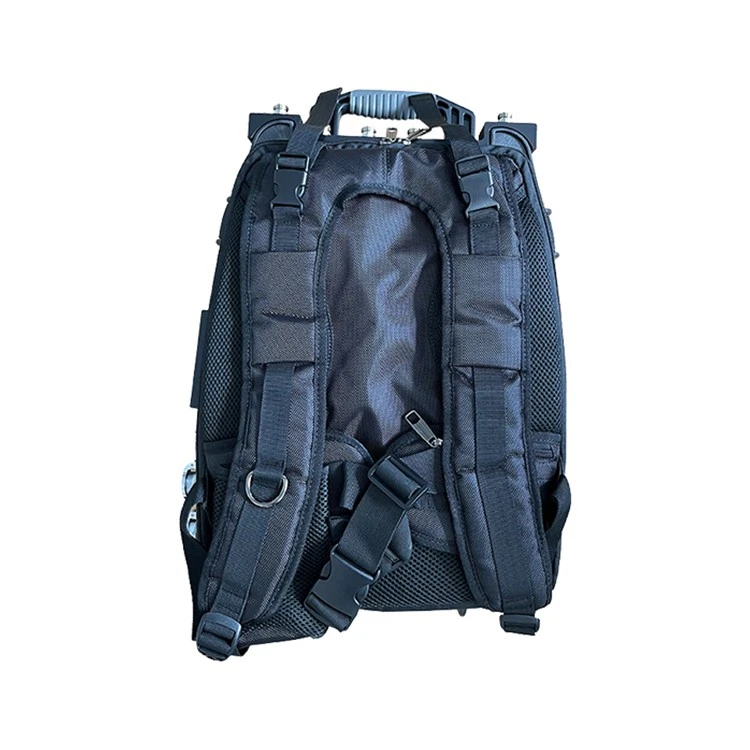
- Radio Frequency (RF) Jammers: These devices work by emitting high - power radio signals on the same frequencies used by drones for communication and control. By overwhelming these signals, RF jammers can disrupt the connection between the drone and its operator, forcing the drone to land or return to its starting point. Our Individual Soldier 8 Antenna Backpack Portable Anti Drone System FPV is a prime example of an RF - based anti - drone solution. It is highly portable, making it suitable for on - the - go protection of water treatment facilities.
- Acoustic Sensors: Acoustic sensors detect the unique sound signatures of drones. Once a drone is detected, the system can alert security personnel and provide information about its location and movement. These sensors are often used in combination with other detection technologies for more accurate and comprehensive drone detection.
- Radar Systems: Radar systems use radio waves to detect and track drones. They can provide real - time information about the drone's position, speed, and trajectory. Radar - based anti - drone systems are particularly effective for large - scale water treatment facilities, as they can cover a wide area and provide long - range detection.
Advantages of Using Anti - Drone Devices for Water Treatment Facilities
- Enhanced Security: By deploying anti - drone devices, water treatment facilities can significantly enhance their security posture. These devices can detect and neutralize unauthorized drones before they can cause any harm, protecting the facility from potential threats such as surveillance, contamination, and operational interference.
- Compliance with Regulations: In many regions, there are strict regulations regarding the protection of critical infrastructure, including water treatment facilities. Using anti - drone devices can help these facilities comply with these regulations and avoid potential legal issues.
- Cost - Effectiveness: Compared to other security measures such as increasing the number of security personnel or installing complex surveillance systems, anti - drone devices can be a more cost - effective solution. They require less manpower to operate and can provide continuous protection against drone threats.
Challenges and Considerations
While anti - drone devices offer many benefits for water treatment facilities, there are also some challenges and considerations that need to be taken into account:
- Legal and Regulatory Issues: The use of anti - drone devices is subject to various laws and regulations. In some areas, it may be illegal to use certain types of anti - drone technologies, especially those that involve jamming or interfering with radio frequencies. It is essential for water treatment facilities to ensure that they comply with all relevant laws and obtain the necessary permits before deploying anti - drone devices.
- False Alarms: Anti - drone devices may sometimes generate false alarms, especially in areas with a high density of radio signals or in adverse weather conditions. This can lead to unnecessary disruptions and waste of resources. To minimize false alarms, it is important to choose high - quality anti - drone devices and properly calibrate them for the specific environment of the water treatment facility.
- Integration with Existing Security Systems: Water treatment facilities often have existing security systems in place, such as CCTV cameras and access control systems. It is important to ensure that the anti - drone devices can be integrated with these existing systems to provide a comprehensive security solution. This requires careful planning and coordination between the anti - drone device supplier and the facility's security team.
Case Studies
There have been several real - world examples of the successful use of anti - drone devices to protect critical infrastructure, which can serve as a reference for water treatment facilities:
Case Study 1: A Large - Scale Industrial Complex
A large industrial complex located near a major water treatment facility was facing an increasing number of unauthorized drone incursions. The complex installed an RF - based anti - drone system, which was able to detect and neutralize drones within its coverage area. As a result, the number of drone incursions decreased significantly, and the security of the complex and the nearby water treatment facility was enhanced.
Case Study 2: A Government - Owned Water Treatment Plant
A government - owned water treatment plant in a high - risk area decided to invest in an integrated anti - drone solution that included radar, acoustic sensors, and RF jammers. The system was able to provide 24/7 monitoring and protection of the facility. During a recent incident, the system detected an unauthorized drone approaching the plant and successfully neutralized it before it could reach the critical areas of the facility.
Conclusion
In conclusion, anti - drone devices can be an effective tool for protecting water treatment facilities from the growing threat of unauthorized drone activity. By detecting, tracking, and neutralizing drones, these devices can enhance the security of these critical infrastructure sites, protect public health, and ensure the continuous supply of clean water. However, it is important to carefully consider the legal, technical, and operational aspects before deploying anti - drone devices.

As a leading supplier of anti - drone devices, we have the expertise and experience to provide customized solutions for water treatment facilities. Our products are designed to meet the highest standards of quality and performance, and we offer comprehensive after - sales support to ensure that our customers are satisfied with their purchase.
If you are interested in learning more about our anti - drone devices and how they can be used to protect your water treatment facility, please feel free to contact us for a consultation. We look forward to working with you to enhance the security of your critical infrastructure.
References
- "Drone Threats to Critical Infrastructure: A Comprehensive Analysis." Journal of Homeland Security and Emergency Management.
- "Anti - Drone Technologies: Current State and Future Trends." International Journal of Security Technology.
- "Protecting Water Treatment Facilities from Emerging Threats." Water Resources Research.