

In recent years, the proliferation of drones has brought both convenience and challenges. While drones have found numerous applications in various fields such as aerial photography, delivery services, and agricultural monitoring, the unauthorized use of drones, especially those flying in formation, poses significant threats to security, privacy, and public safety. As an anti - drone FPV (First - Person View) supplier, we are at the forefront of developing effective solutions to deal with these challenges.
Understanding the Threat of Formation - Flying Drones
Drones flying in formation are a growing concern. They can be used for malicious purposes such as surveillance of restricted areas, smuggling of contraband, or even as a method of coordinated attack. Formation - flying drones are often programmed to operate autonomously, following pre - set flight paths and maintaining a specific distance from each other. This coordinated behavior makes them more difficult to detect and neutralize compared to single drones.

The technology behind formation - flying drones is based on advanced algorithms and communication systems. These drones use GPS for navigation and wireless communication protocols to exchange information with each other, ensuring they stay in formation. Some high - end formation - flying drones can even adjust their formation in real - time based on environmental factors or external commands.
Detection of Formation - Flying Drones
The first step in dealing with formation - flying drones is detection. Our anti - drone FPV systems are equipped with state - of - the - art sensors that can identify drones from a distance. These sensors include radar, electro - optical/infrared (EO/IR) cameras, and acoustic sensors.
Radar systems are highly effective in detecting drones, even in adverse weather conditions. They can accurately measure the distance, speed, and direction of the drones. EO/IR cameras, on the other hand, provide visual confirmation of the drones. They can be used to identify the type of drones, their formation pattern, and any payload they may be carrying. Acoustic sensors can detect the unique sound signature of drones, which can be used as an additional layer of detection, especially in areas where radar or EO/IR systems may be limited.
Once a formation of drones is detected, our systems can analyze their behavior and determine whether they pose a threat. This analysis includes assessing their flight path, speed, and proximity to restricted areas. If a threat is detected, the system can immediately alert the relevant security personnel.
Tracking and Monitoring
After detection, continuous tracking and monitoring of the formation - flying drones are essential. Our anti - drone FPV systems use advanced tracking algorithms to keep track of the drones' movements. These algorithms can predict the future path of the drones based on their current speed and direction, allowing security personnel to take proactive measures.
The tracking information is displayed on a user - friendly interface, which provides real - time updates on the drones' location, altitude, and other relevant parameters. This interface also allows security personnel to zoom in on specific drones within the formation, enabling them to closely monitor their behavior.
Neutralization of Formation - Flying Drones
Once a threat has been confirmed, the next step is to neutralize the formation - flying drones. Our anti - drone FPV systems offer a range of neutralization options, depending on the specific situation.
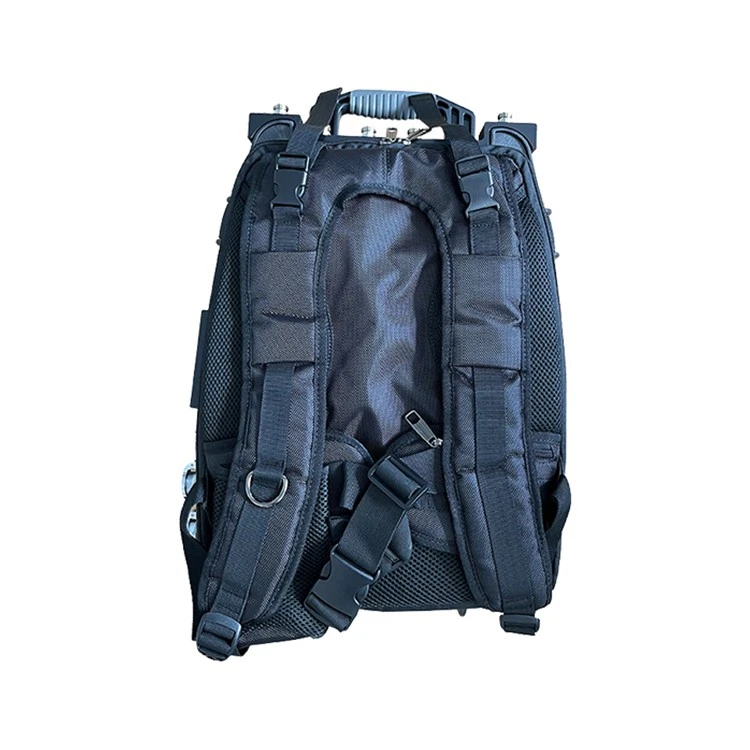
One of the most common methods of neutralization is jamming. Jamming involves disrupting the communication between the drones and their operators or the GPS signals that the drones rely on for navigation. Our Individual Soldier 8 Antenna Backpack Portable Anti Drone System FPV is a highly effective solution for jamming drones. It is portable, easy to use, and can be carried by individual soldiers in the field. The system uses multiple antennas to cover a wide frequency range, ensuring that it can jam different types of drones.
Another method of neutralization is the use of net guns or drones equipped with nets. These can be used to physically capture the drones, preventing them from continuing their mission. However, this method is more suitable for situations where the drones are flying at a relatively low altitude and in a confined area.
In some cases, it may be necessary to use more advanced technologies such as laser weapons to destroy the drones. Laser weapons can provide a precise and effective way of neutralizing drones, especially those flying at high altitudes. However, the use of laser weapons is subject to strict regulations and requires specialized training.
Challenges in Dealing with Formation - Flying Drones
Dealing with formation - flying drones is not without its challenges. One of the main challenges is the high level of coordination among the drones. Since they are programmed to fly in formation, disrupting one drone may not necessarily stop the entire formation. The remaining drones may continue their mission or even adjust their formation to avoid detection.
Another challenge is the rapid evolution of drone technology. As drones become more advanced, they are becoming more difficult to detect and neutralize. For example, some drones are now equipped with anti - jamming technology, which can make traditional jamming methods less effective.
Our Solutions and Advantages
As an anti - drone FPV supplier, we are constantly investing in research and development to stay ahead of the curve. Our team of experts is dedicated to developing innovative solutions to deal with the challenges posed by formation - flying drones.
Our products are designed to be highly reliable and easy to use. They are also modular, which means that they can be easily customized to meet the specific needs of different customers. For example, our anti - drone systems can be integrated with existing security systems, such as CCTV cameras and access control systems, to provide a comprehensive security solution.
In addition, we offer excellent after - sales support. Our technical support team is available 24/7 to assist customers with any issues they may encounter. We also provide training programs to ensure that our customers can operate our products effectively.
Conclusion
The threat of formation - flying drones is a serious issue that requires immediate attention. As an anti - drone FPV supplier, we are committed to providing effective solutions to protect our customers from this threat. Our advanced detection, tracking, and neutralization systems can help to ensure the security and safety of restricted areas, public events, and critical infrastructure.
If you are interested in learning more about our anti - drone FPV products or would like to discuss your specific security needs, please do not hesitate to contact us. We look forward to working with you to develop a customized anti - drone solution that meets your requirements.
References
- "Drone Technology and Its Security Implications" - Journal of Security Studies
- "Advanced Anti - Drone Technologies" - International Journal of Aerospace Engineering
- "The Challenges of Dealing with Formation - Flying Drones" - Proceedings of the Security Conference