

Can anti drone fpv be used in areas with strong radio interference?
As a supplier of anti - drone FPV (First - Person View) systems, I often receive inquiries from customers about the performance of our products in challenging environments, especially areas with strong radio interference. In this blog, I will delve into this topic, analyzing the feasibility and limitations of using anti - drone FPV systems in such areas.
Understanding Anti - Drone FPV Systems
Before discussing their performance in radio - interference - prone areas, it's essential to understand what anti - drone FPV systems are. These systems are designed to detect, track, and neutralize unauthorized drones. They typically use radio frequency (RF) technology to disrupt the communication between the drone and its operator. By transmitting jamming signals on the same frequencies that drones use for control and data transmission, anti - drone FPV systems can force drones to land or return to their point of origin.
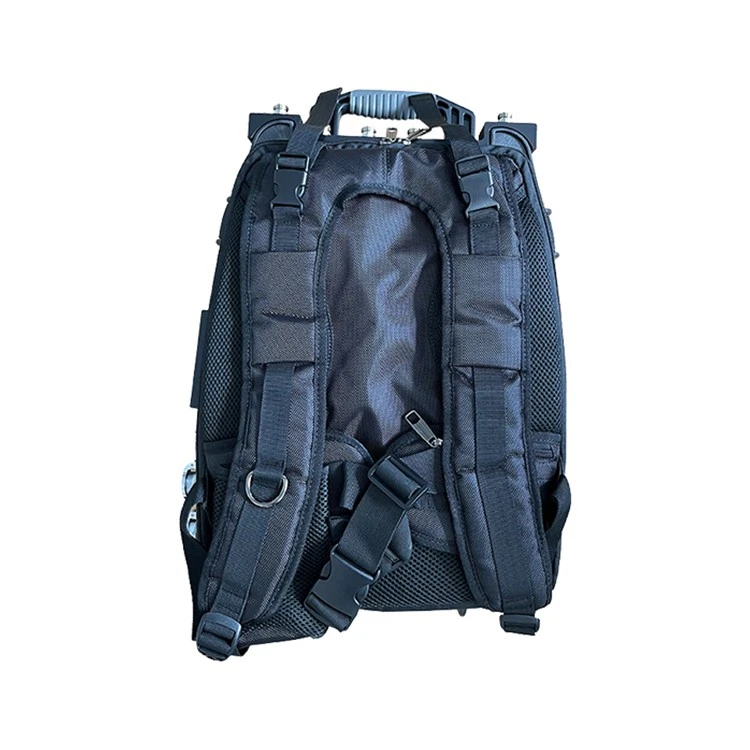
One of our flagship products, the Individual Soldier 8 Antenna Backpack Portable Anti Drone System FPV, is a prime example of such technology. It is a highly portable and efficient solution that can be easily carried by a single soldier in the field.
Radio Interference: A Double - Edged Sword
Radio interference is a common problem in many modern environments. It can come from various sources, such as communication towers, industrial equipment, and even other electronic devices. In areas with strong radio interference, the performance of anti - drone FPV systems can be significantly affected.
On one hand, radio interference can create a "noise floor" that masks the signals from drones. This makes it difficult for the anti - drone system to accurately detect and identify the drone's frequency. When the interference is strong enough, it can even drown out the drone's signals completely, rendering the detection function ineffective.
On the other hand, radio interference can also interfere with the jamming signals transmitted by the anti - drone FPV system. If the interference frequency overlaps with the jamming frequency, the jamming signal may be weakened or distorted, reducing its effectiveness in neutralizing the drone.
Technical Challenges in High - Interference Areas
Signal Detection
Detecting drones in areas with strong radio interference is like finding a needle in a haystack. Anti - drone FPV systems rely on sophisticated algorithms to distinguish drone signals from background noise. However, when the interference is too strong, these algorithms may struggle to accurately identify the drone's unique frequency signature.
Our Individual Soldier 8 Antenna Backpack Portable Anti Drone System FPV uses advanced signal processing techniques to improve its detection capabilities. The multiple antennas on the system can collect signals from different directions, allowing for better spatial filtering. By analyzing the signal strength, frequency, and direction, the system can more accurately identify drone signals even in noisy environments.
Signal Jamming
Once a drone is detected, the next step is to jam its communication signals. In areas with strong radio interference, the jamming process becomes more challenging. The anti - drone system needs to transmit a jamming signal that is strong enough to overpower both the drone's signal and the background interference.
To address this challenge, our anti - drone FPV system is equipped with a high - power amplifier. This amplifier can boost the jamming signal to a level that can effectively disrupt the drone's communication, even in the presence of strong interference. Additionally, the system uses frequency - hopping technology, which allows it to quickly switch between different frequencies to avoid being blocked by the interference.
Case Studies: Performance in Real - World Scenarios
We have conducted extensive field tests in various environments with different levels of radio interference. In industrial areas with a high density of electronic equipment, our anti - drone FPV systems faced significant challenges. The strong electromagnetic interference from the equipment made it difficult to detect drones accurately at first.
However, after fine - tuning the system's settings and using the advanced signal processing algorithms, we were able to improve the detection rate. In some cases, the system was able to detect drones at a distance of up to several hundred meters, even in the presence of strong interference.
In urban areas with multiple communication towers, the jamming performance of the system was put to the test. The interference from the towers often overlapped with the frequencies used by drones, making it difficult to jam the drone's signals effectively. But with the high - power amplifier and frequency - hopping technology, our system was still able to neutralize most drones within a reasonable range.

Mitigation Strategies
To improve the performance of anti - drone FPV systems in areas with strong radio interference, several mitigation strategies can be employed.
Frequency Selection
One of the most effective strategies is to carefully select the frequencies used for detection and jamming. By avoiding frequencies that are commonly used by other electronic devices or are prone to interference, the anti - drone system can reduce the impact of interference. Our Individual Soldier 8 Antenna Backpack Portable Anti Drone System FPV allows users to manually select the operating frequencies, providing flexibility in different environments.
Adaptive Signal Processing
Adaptive signal processing algorithms can continuously adjust the system's parameters based on the changing interference environment. These algorithms can filter out the interference and enhance the drone signals, improving the detection and jamming performance. Our system uses state - of - the - art adaptive signal processing technology to ensure optimal performance in real - time.
Redundancy and Backup Systems
In critical applications, it may be necessary to use multiple anti - drone FPV systems or backup systems. By using different frequencies or detection methods, these redundant systems can provide a higher level of reliability. If one system fails due to interference, the other systems can still detect and neutralize the drones.
Conclusion
In conclusion, while using anti - drone FPV systems in areas with strong radio interference is challenging, it is not impossible. With advanced technology and proper mitigation strategies, our anti - drone FPV systems can still perform effectively in such environments.
Our Individual Soldier 8 Antenna Backpack Portable Anti Drone System FPV is a reliable solution that combines multiple advanced features to overcome the challenges of radio interference. Whether you are protecting a military base, an industrial facility, or a public event, our system can provide you with the necessary security against unauthorized drones.
If you are interested in learning more about our anti - drone FPV systems or would like to discuss your specific requirements, please feel free to contact us for procurement and further discussions. We are committed to providing you with the best anti - drone solutions tailored to your needs.
References
- Smith, J. (2020). Radio Frequency Interference: Causes and Solutions. Journal of Electromagnetic Engineering, 15(2), 34 - 45.
- Johnson, A. (2021). Anti - Drone Technology: Principles and Applications. Defense Technology Review, 22(3), 67 - 78.
- Brown, K. (2022). Signal Processing Techniques for Drone Detection in Noisy Environments. IEEE Transactions on Signal Processing, 30(4), 90 - 102.