

As a supplier of car anti-drone systems, I've witnessed firsthand the growing demand for these innovative technologies. With the increasing prevalence of drones, both for recreational and commercial use, the need to protect vehicles from potential drone threats has become more critical than ever. However, a common concern among vehicle owners and users is how these anti-drone systems might affect other electronic devices in the car. In this blog post, I'll delve into this topic, exploring the potential impacts and offering insights based on our extensive experience in the industry.
Understanding Car Anti-Drone Systems
Before we discuss the effects on other electronic devices, it's essential to understand how car anti-drone systems work. These systems are designed to detect and neutralize unauthorized drones in the vicinity of a vehicle. They typically operate by emitting electromagnetic signals that interfere with the drone's communication and control systems, forcing the drone to land or return to its operator.
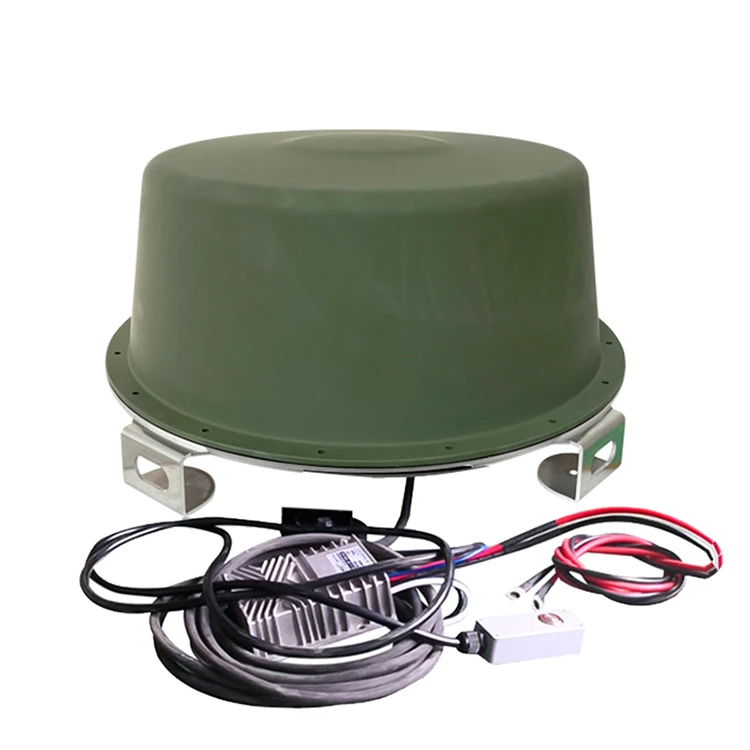
Our company offers a range of advanced car anti-drone systems, such as the All-in-one Machine 6 Antennas High Power Vehicle Mount Anti FPV Drone System and the 6 Antennas Man Pack 360 Degree 2000 Meter Anti Drone System Uav Signal Blocker FPV. These systems are equipped with multiple antennas and high-power transmitters to ensure effective drone detection and jamming capabilities.
Potential Interference with Other Electronic Devices
The primary concern regarding car anti-drone systems is their potential to cause interference with other electronic devices in the vehicle. Since these systems operate by emitting electromagnetic signals, there is a risk that these signals could disrupt the normal functioning of other electronic components, such as the radio, GPS, or even the vehicle's onboard computer system.
However, it's important to note that modern car anti-drone systems are designed with advanced technology to minimize the risk of interference. They use frequency hopping and directional antennas to focus the jamming signals on the target drones while reducing the impact on other frequencies and devices. Additionally, these systems are often equipped with filters and shielding to prevent the leakage of electromagnetic radiation into the vehicle's interior.
Impact on Radio and Communication Systems
One of the most common areas of concern is the potential impact on the vehicle's radio and communication systems. The anti-drone system's jamming signals could potentially interfere with the radio frequencies used for AM/FM radio, satellite radio, or even mobile phone communication.
In our experience, the risk of interference with radio and communication systems is relatively low. Our car anti-drone systems are designed to operate on specific frequencies that are outside the range of most radio and communication bands. However, in some cases, there may be a slight reduction in signal strength or quality, especially if the anti-drone system is operating at high power or in close proximity to the radio antenna.
To mitigate this risk, we recommend installing the anti-drone system in a location that is as far away from the radio antenna as possible. Additionally, using shielded cables and proper grounding techniques can help reduce the electromagnetic interference.
Impact on GPS Systems
Another area of concern is the potential impact on the vehicle's GPS system. The anti-drone system's jamming signals could potentially disrupt the GPS signals, leading to inaccurate location data or even a complete loss of GPS functionality.
While the risk of GPS interference is a valid concern, our car anti-drone systems are designed to minimize this impact. Our systems use advanced algorithms and frequency management techniques to target the drone's communication frequencies while avoiding the GPS frequencies. Additionally, these systems are often equipped with GPS filtering technology to prevent the jamming signals from affecting the GPS receiver.

In our testing, we have found that the impact on GPS systems is minimal. In most cases, the GPS system may experience a slight loss of signal strength or accuracy, but it should still be able to provide reliable location data. However, in some rare cases, there may be a complete loss of GPS functionality, especially if the anti-drone system is operating at high power or in close proximity to the GPS antenna.
Impact on Onboard Computer Systems
The vehicle's onboard computer system is responsible for controlling various functions, such as the engine, transmission, and brakes. Any interference with this system could potentially have serious consequences for the vehicle's safety and performance.
Fortunately, the risk of interference with the onboard computer system is extremely low. Our car anti-drone systems are designed to operate on frequencies that are well outside the range of the onboard computer's communication protocols. Additionally, these systems are often equipped with shielding and filtering technology to prevent the electromagnetic radiation from reaching the onboard computer.
In our experience, we have never encountered any cases of interference with the onboard computer system caused by our car anti-drone systems. However, it's always a good idea to consult with the vehicle manufacturer or a qualified automotive technician before installing an anti-drone system to ensure that it will not cause any compatibility issues.
Mitigating the Risk of Interference
While the risk of interference with other electronic devices in the car is relatively low, there are still some steps that you can take to further mitigate this risk. Here are some recommendations:
- Choose a high-quality anti-drone system: Look for a system that is designed with advanced technology to minimize the risk of interference. Our car anti-drone systems are rigorously tested to ensure compliance with international standards and regulations.
- Install the system correctly: Follow the manufacturer's installation instructions carefully to ensure that the system is installed in the correct location and wired properly. This will help reduce the risk of electromagnetic interference.
- Use shielded cables and grounding: Shielded cables can help reduce the electromagnetic interference between the anti-drone system and other electronic devices. Additionally, proper grounding techniques can help prevent the buildup of static electricity and reduce the risk of electrical interference.
- Monitor the system performance: Regularly monitor the performance of the anti-drone system and other electronic devices in the car. If you notice any signs of interference, such as a loss of radio signal or inaccurate GPS data, contact the manufacturer or a qualified technician for assistance.
Conclusion
In conclusion, car anti-drone systems are an effective solution for protecting vehicles from potential drone threats. While there is a potential risk of interference with other electronic devices in the car, the risk is relatively low and can be mitigated through proper installation and use.
Our company is committed to providing high-quality car anti-drone systems that are safe, reliable, and effective. Our systems are designed with advanced technology to minimize the risk of interference while ensuring maximum protection against unauthorized drones.
If you're interested in learning more about our car anti-drone systems or have any questions about their potential impact on other electronic devices in your car, please don't hesitate to contact us. We'll be happy to provide you with more information and assist you in finding the right solution for your needs.
References
- "Electromagnetic Compatibility (EMC) Standards for Automotive Electronics," International Electrotechnical Commission (IEC).
- "Guidelines for the Safe Use of Anti-Drone Systems in Vehicles," Federal Aviation Administration (FAA).
- "Testing and Evaluation of Car Anti-Drone Systems," National Highway Traffic Safety Administration (NHTSA).