

Hey there, folks! As a supplier of anti-drone devices, I've seen firsthand the challenges that come with developing these nifty gadgets. In this blog post, I'm gonna share some of the hurdles we face in creating effective anti-drone solutions.
Keeping Up with Drone Tech
One of the biggest challenges is that drones are evolving at a breakneck speed. New models are hitting the market all the time, each with its own set of features and capabilities. For example, some drones now come with advanced autonomous flight modes, which allow them to fly without much human input. Others are equipped with high-resolution cameras and sensors that can collect a ton of data.
As an anti-drone device supplier, we have to stay on top of these advancements. We need to understand how these new drones work so that we can develop devices that can effectively counter them. This means constantly researching and testing new drone models to identify their vulnerabilities. It's like a never-ending game of cat and mouse!
Regulatory Hurdles
Another major challenge is dealing with regulations. The use of anti-drone devices is heavily regulated in many countries. These regulations are in place to protect the privacy and safety of individuals, as well as to prevent interference with legitimate drone operations.
For instance, in some areas, it's illegal to use anti-drone devices that jam the signals of drones. This is because signal jamming can also affect other wireless devices in the area, such as cell phones and GPS systems. As a result, we have to make sure that our anti-drone devices comply with all the relevant regulations. This often involves working closely with regulatory authorities to get the necessary approvals and certifications.
Technical Limitations
Developing anti-drone devices also comes with a number of technical limitations. One of the main challenges is range. Drones can fly at different altitudes and distances, and it can be difficult to develop a device that can effectively detect and neutralize drones over a wide area.
Another technical challenge is power consumption. Anti-drone devices often require a lot of power to operate, especially those that use high-powered jamming signals. This can make them bulky and difficult to carry around, which is a problem for applications where portability is important, such as military and law enforcement operations.
We're constantly working on improving the range and power efficiency of our anti-drone devices. For example, we're exploring the use of new technologies, such as phased array antennas, which can focus the jamming signals in a specific direction, increasing the range and effectiveness of the device.
Cost
Cost is another factor that can make it challenging to develop anti-drone devices. Developing and manufacturing these devices requires a significant investment in research and development, as well as in production facilities and equipment.
In addition, the cost of the components used in anti-drone devices can be quite high. For example, high-quality sensors and antennas can be expensive, especially those that are designed to operate in harsh environments.
As a result, we have to find ways to keep the cost of our anti-drone devices down without compromising on quality. This often involves finding more cost-effective manufacturing processes and sourcing components from reliable suppliers at competitive prices.
False Alarms
False alarms are a common problem in anti-drone systems. These systems use a variety of sensors, such as radar, optical cameras, and acoustic sensors, to detect drones. However, these sensors can sometimes误判 other objects as drones, such as birds, airplanes, or even balloons.
False alarms can be a major headache for users of anti-drone devices, as they can waste time and resources. To reduce the number of false alarms, we're constantly improving the algorithms and software used in our anti-drone systems. We're also using multiple sensors in combination to increase the accuracy of detection.
Integration with Existing Systems
Many organizations already have existing security systems in place, such as surveillance cameras and access control systems. Integrating anti-drone devices with these existing systems can be a challenge.
For example, the data collected by anti-drone devices needs to be compatible with the existing security management software. In addition, the anti-drone devices need to be able to communicate with other security devices, such as alarms and barriers.
We're working on developing solutions that can easily integrate with existing security systems. This allows organizations to add anti-drone capabilities to their existing security infrastructure without having to make major changes.
The Individual Soldier 8 Antenna Backpack Portable Anti Drone System FPV
Despite all these challenges, we're proud to offer a range of high-quality anti-drone devices, including the Individual Soldier 8 Antenna Backpack Portable Anti Drone System FPV. This system is designed for military and law enforcement applications, and it offers a number of features that make it a reliable and effective anti-drone solution.
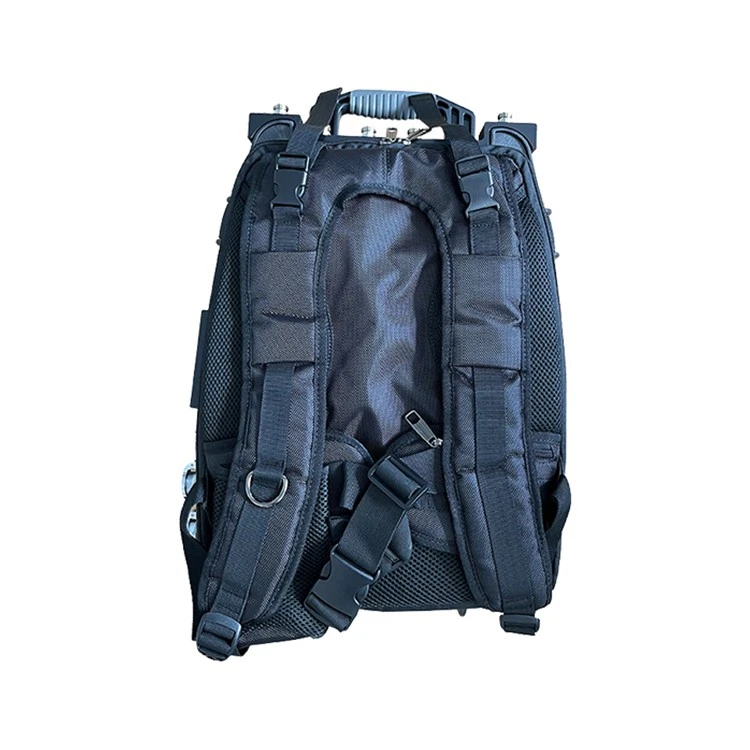

The Individual Soldier 8 Antenna Backpack Portable Anti Drone System FPV is lightweight and portable, making it easy to carry around in the field. It uses multiple antennas to provide a wide coverage area, and it can effectively detect and neutralize drones at a range of up to several kilometers.
In addition, the system is equipped with advanced algorithms and software that can reduce the number of false alarms. It also offers real-time monitoring and reporting capabilities, allowing users to keep track of drone activity in the area.
Conclusion
Developing anti-drone devices is a challenging but rewarding task. At our company, we're committed to overcoming these challenges and providing our customers with the best possible anti-drone solutions.
If you're interested in learning more about our anti-drone devices or if you have any questions about our products, please don't hesitate to contact us. We'd be happy to discuss your specific needs and help you find the right anti-drone solution for your organization.
References
- Drone Industry Insights. (2023). The State of the Drone Industry.
- Federal Aviation Administration. (2023). Regulations on Drone Operations.
- International Telecommunication Union. (2023). Guidelines on Wireless Signal Jamming.