

Yo, what's up everyone! As a supplier of portable drone jammers, I'm super stoked to chat with you about the electromagnetic compatibility (EMC) of these nifty gadgets.

Let's first break down what electromagnetic compatibility actually means. In simple terms, EMC is all about how well a device can operate in an electromagnetic environment without causing interference to other devices and, at the same time, being immune to the interference from other sources. For a portable drone jammer, this is crucial because it's working in a world full of all kinds of electromagnetic signals, like Wi - Fi, Bluetooth, radio waves, and more.
When a portable drone jammer is in action, it's designed to emit electromagnetic signals to disrupt the communication links between a drone and its operator or the drone's GPS system. But here's the catch: if it doesn't have good EMC, it can mess up other important electronic devices in the vicinity. For instance, it could interfere with a nearby Wi - Fi router, causing your internet to act up, or even disrupt a radio communication system that might be used by emergency services.
One of the key factors in ensuring the EMC of a portable drone jammer is proper shielding. Just like how you wear a shield to protect yourself in a battle, the internal components of the jammer need to be shielded. This shielding helps to contain the electromagnetic fields generated by the jammer within its housing. There are different types of shielding materials available, such as conductive metals and special coatings. These materials act as a barrier, preventing the electromagnetic waves from leaking out and causing interference.
Another aspect is the frequency management of the jammer. A well - designed portable drone jammer should be able to precisely target the frequencies used by drones. Most drones operate on specific frequencies like 2.4 GHz and 5.8 GHz for Wi - Fi communication and around 1.5 GHz for GPS. By focusing on these specific frequencies, the jammer can effectively disrupt the drone without wasting energy on other frequencies that could cause unnecessary interference.
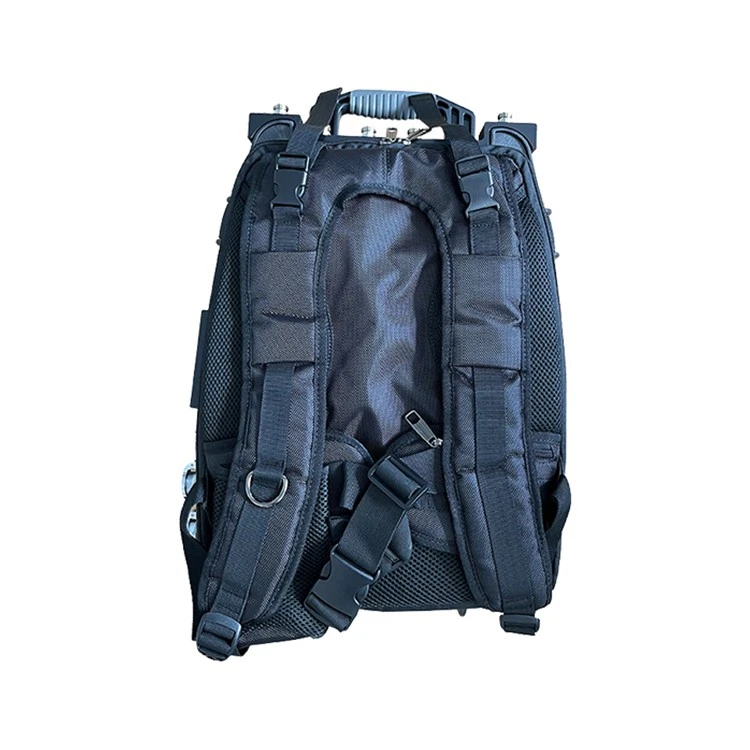
Now, let me tell you about one of our top - notch products: the Individual Soldier 8 Antenna Backpack Portable Anti Drone System FPV. This bad boy is a game - changer when it comes to portable drone jamming. It's designed with high - quality shielding materials to ensure excellent EMC. The eight antennas on this system are carefully calibrated to target the exact frequencies used by drones, providing a powerful and precise jamming effect.
The backpack design makes it super convenient for individual soldiers or security personnel to carry around. Whether you're on a military mission or protecting a high - security area, this portable drone jammer can be easily deployed. And because of its good EMC, you don't have to worry about it causing a ruckus with other electronic devices in the area.
But how do we test the EMC of our portable drone jammers? We use a variety of methods. One common way is to conduct radiated emission tests. In these tests, we place the jammer in a special chamber and measure the electromagnetic radiation it emits. If the emissions are within the acceptable limits set by international standards, then the jammer passes the test.
We also perform conducted emission tests. These tests are focused on the electrical signals that are conducted through the power cables and other conductive paths of the jammer. By ensuring that these conducted emissions are low, we can prevent interference from being transmitted through the power grid or other connected devices.
On the other side of the coin, we also test the immunity of the jammer to external electromagnetic interference. There are many sources of external interference in the real world, like lightning strikes, industrial equipment, and powerful radio transmitters. Our jammers are designed to withstand these external interferences and continue to function properly.
In addition to the technical aspects, regulatory compliance is also a big part of EMC for portable drone jammers. Different countries and regions have their own regulations regarding the use of electromagnetic devices. For example, in some areas, there are strict limits on the power output of jammers and the frequencies they can operate on. As a responsible supplier, we make sure that all our products comply with these regulations. This not only ensures the legal use of our jammers but also helps to maintain a good electromagnetic environment.
So, if you're in the market for a reliable portable drone jammer with excellent EMC, you've come to the right place. Our products are designed and tested to meet the highest standards of electromagnetic compatibility. Whether you're a security professional, a military officer, or someone looking to protect a private property from unwanted drones, we've got you covered.
If you're interested in learning more about our portable drone jammers or want to discuss a potential purchase, don't hesitate to reach out. We're always ready to have a chat, answer your questions, and help you find the perfect solution for your needs. Get in touch with us, and let's start this journey of keeping your airspace drone - free!
References
- IEEE Standards for Electromagnetic Compatibility
- FCC Regulations on Electromagnetic Devices
- Military Standards for Electromagnetic Interference and Compatibility