

As a leading supplier of anti-drone FPV (First Person View) systems, I've witnessed firsthand the rapid evolution of this technology and its increasing importance in today's security landscape. In this blog post, I'll delve into the concept of processing power in anti-drone FPV systems, exploring its significance, the factors that influence it, and how it impacts the overall performance of these systems.
Understanding Processing Power in Anti Drone FPV Systems
At its core, processing power refers to the ability of a system to handle and manipulate data efficiently. In the context of anti-drone FPV systems, processing power is crucial for several reasons. Firstly, these systems need to process a vast amount of data in real-time, including video feeds from drones, sensor readings, and other relevant information. This data is used to detect, track, and identify drones, as well as to determine the most appropriate course of action to neutralize them.
Secondly, processing power is essential for ensuring the accuracy and reliability of anti-drone FPV systems. These systems rely on sophisticated algorithms and machine learning techniques to analyze data and make decisions. Without sufficient processing power, these algorithms may not be able to operate effectively, leading to false positives or negatives and potentially compromising the security of the protected area.
Finally, processing power is also important for the user experience. A system with high processing power can provide a smooth and responsive interface, allowing operators to quickly and easily interact with the system. This is particularly important in high-pressure situations where every second counts.
Factors Affecting Processing Power
Several factors can influence the processing power of an anti-drone FPV system. These include:
Hardware Components
The hardware components of an anti-drone FPV system play a significant role in determining its processing power. This includes the central processing unit (CPU), graphics processing unit (GPU), memory, and storage. A high-performance CPU and GPU can handle complex calculations and data processing tasks more efficiently, while sufficient memory and storage can ensure that the system has enough resources to store and access data quickly.
Software Algorithms
The software algorithms used in an anti-drone FPV system also have a major impact on its processing power. These algorithms are responsible for analyzing data, detecting drones, and making decisions. More advanced algorithms typically require more processing power to operate effectively. However, they can also provide more accurate and reliable results.
Data Volume
The volume of data that an anti-drone FPV system needs to process can also affect its processing power. Systems that are designed to monitor large areas or deal with multiple drones simultaneously will need to process more data than those with a smaller scope. This can put a strain on the system's processing resources and may require more powerful hardware or more efficient algorithms.
Networking Infrastructure
The networking infrastructure used to transmit data between different components of an anti-drone FPV system can also impact its processing power. A high-speed and reliable network can ensure that data is transmitted quickly and efficiently, reducing the processing time and improving the overall performance of the system.
Importance of Processing Power in Anti Drone FPV Systems
The processing power of an anti-drone FPV system is directly related to its ability to perform effectively in real-world scenarios. Here are some of the key benefits of having a system with high processing power:
Faster Detection and Tracking
A system with high processing power can analyze data more quickly, allowing it to detect and track drones in real-time. This is crucial for minimizing the response time and taking appropriate action to neutralize the threat before it can cause any damage.
Improved Accuracy
High processing power enables more advanced algorithms to be used, which can improve the accuracy of drone detection and identification. This helps to reduce false positives and negatives, ensuring that only real threats are flagged and dealt with.
Enhanced Intelligence
Modern anti-drone FPV systems often incorporate machine learning and artificial intelligence techniques to improve their performance over time. These techniques require significant processing power to train and operate effectively. A system with high processing power can continuously learn from new data and adapt to changing threats, providing better protection in the long run.
Better User Experience
As mentioned earlier, a system with high processing power can provide a smoother and more responsive interface for operators. This makes it easier for them to interact with the system, view data, and make decisions quickly and accurately.
Our Anti Drone FPV Systems and Their Processing Power
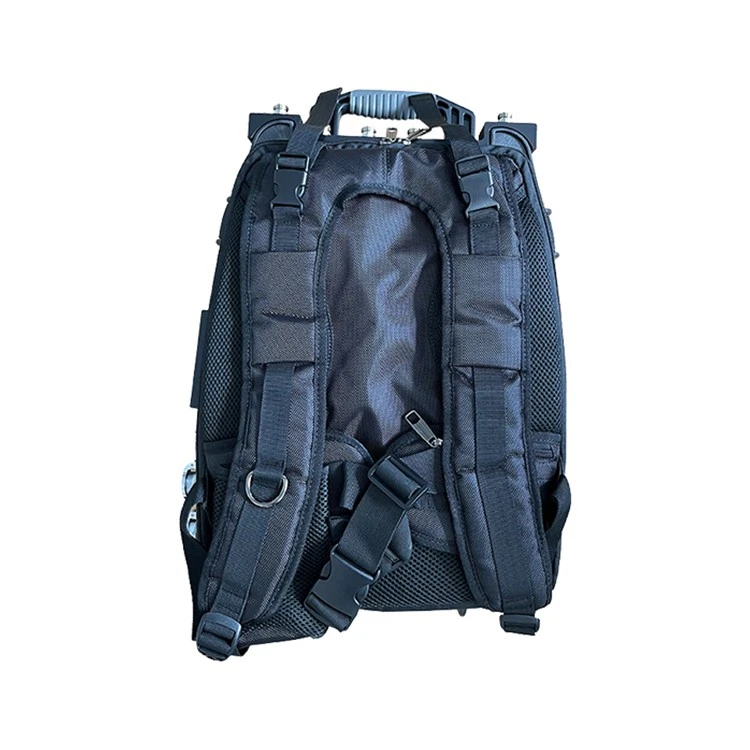
As an anti-drone FPV system supplier, we take pride in offering high-quality products with advanced processing capabilities. One of our flagship products is the Individual Soldier 8 Antenna Backpack Portable Anti Drone System FPV. This system is designed for individual soldiers and security personnel who need a portable and effective solution for detecting and neutralizing drones.
The Individual Soldier 8 Antenna Backpack Portable Anti Drone System FPV is equipped with a high-performance CPU and GPU, as well as ample memory and storage. This allows it to process large amounts of data in real-time, enabling fast and accurate drone detection and tracking. The system also uses advanced algorithms and machine learning techniques to improve its performance over time, providing enhanced intelligence and better protection against emerging threats.
In addition to its powerful processing capabilities, the Individual Soldier 8 Antenna Backpack Portable Anti Drone System FPV is also highly portable and easy to use. It can be carried on the back like a backpack, making it ideal for use in a variety of environments, including urban areas, rural landscapes, and military operations.
Conclusion
In conclusion, the processing power of an anti-drone FPV system is a critical factor that determines its performance, reliability, and effectiveness. A system with high processing power can provide faster detection and tracking, improved accuracy, enhanced intelligence, and a better user experience. As an anti-drone FPV system supplier, we understand the importance of processing power and are committed to offering products that meet the highest standards of performance and quality.

If you're interested in learning more about our anti-drone FPV systems or exploring how they can help you enhance your security, we invite you to get in touch with us. Our team of experts is available to answer your questions, provide more information, and assist you with your procurement needs. Contact us today to start a conversation and take the first step towards a safer and more secure future.
References
- "Drone Detection and Countermeasure Technologies," Journal of Security Studies, Vol. XX, No. XX, 20XX.
- "The Role of Artificial Intelligence in Anti - Drone Systems," Proceedings of the International Conference on Cyber Security and Defense, 20XX.
- "Portable Anti - Drone Solutions for Military and Security Applications," Defense Technology Review, Vol. XX, No. XX, 20XX.